Pragmata Review: Capcom’s Bold New Sci-Fi Franchise Begins Strong
Pragmata Review: Capcom’s Sci-Fi Shooter Delivers Smart Combat and a Heartfelt Story
Pragmata is the kind of big-budget single-player shooter that feels increasingly rare. At a time when many major releases lean heavily on live-service systems, multiplayer hooks, or familiar franchises, Capcom’s sci-fi adventure stands out by focusing on sharp combat, thoughtful mechanics, strong pacing, and a story built around two memorable characters.
What makes Pragmata impressive is not just that it has a clever gameplay hook. It is that almost every major part of the game supports that hook. The shooting, hacking, exploration, upgrades, enemy design, and character relationship all work together. The result is a tense, polished, and surprisingly emotional sci-fi shooter that feels both familiar and fresh.
At its core, Pragmata is a third-person shooter set on a corporate research colony on the moon. But that simple description does not fully capture what makes the game special. This is not just a game about shooting robots. It is a game about splitting your attention, making fast tactical decisions, learning how to survive under pressure, and watching a bond form between an ordinary astronaut and a mysterious android girl.
A Grounded Sci-Fi Story Set on the Moon
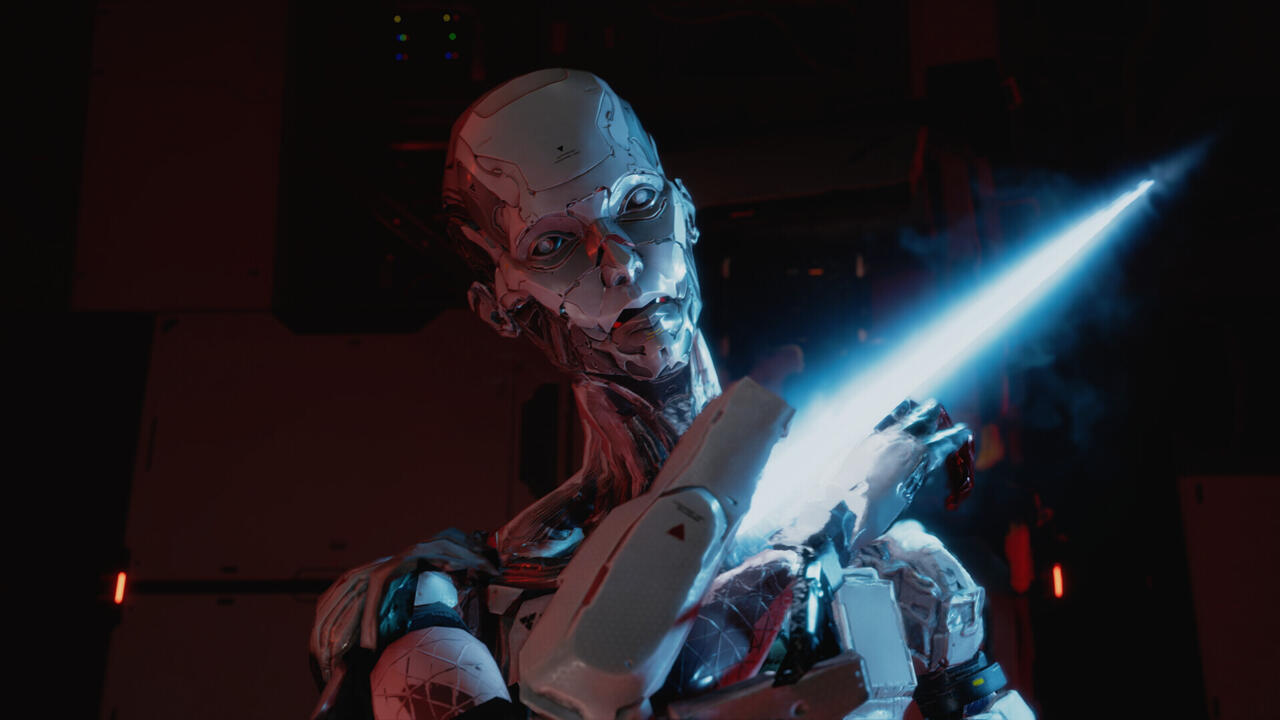
Players take on the role of Hugh Williams, an astronaut sent to investigate a corporate medical research facility on the moon. The base is quiet, cold, and unsettling from the beginning. Something has clearly gone wrong, but before Hugh and his crew can understand the situation, a moonquake devastates the facility and leaves him as the only survivor.
Stranded inside a dangerous lunar base filled with hostile machines, Hugh soon meets a mysterious android girl. She introduces herself with an alphanumeric designation, but Hugh decides to call her Diana. From that moment on, the two become inseparable. Hugh relies on Diana to hack the deadly robots blocking their path, while Diana relies on Hugh to protect her and help her understand the world around her.
The setting is near-future science fiction, but it feels more grounded than fantastical. Hugh’s astronaut suit looks advanced, yet still believable. The moon base is filled with technology beyond current human capability, but much of it feels like an extension of real-world science rather than pure magic. One of the most important pieces of technology is lunafilament, a material used for 3D printing nearly anything the colony needs. This detail helps make the base feel self-sustaining and believable.
That grounded approach gives Pragmata a strong atmosphere. The game feels futuristic without losing its connection to reality. Its world is strange, but not impossible to understand.
Hugh and Diana Are the Heart of Pragmata
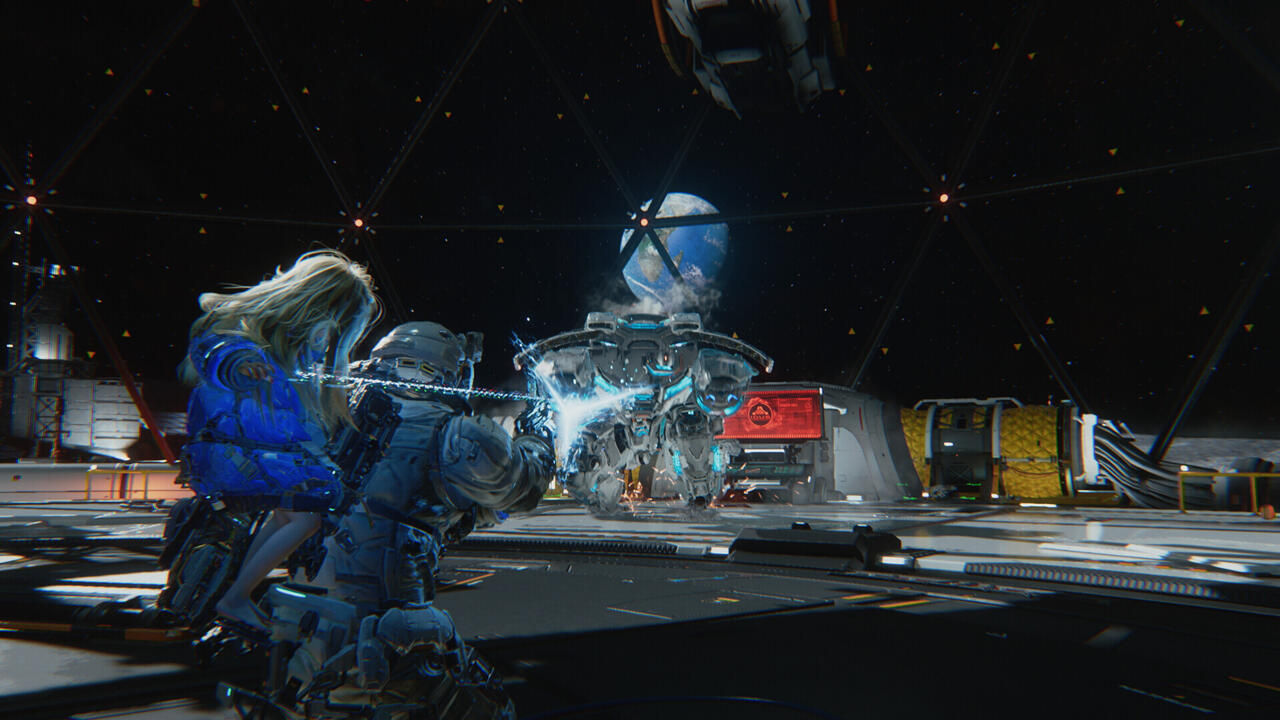
The relationship between Hugh and Diana is the emotional center of the game. The story follows them closely, giving players plenty of time to watch their bond grow naturally. Hugh becomes a protective father-like figure, while Diana brings curiosity, innocence, intelligence, and emotional warmth to the journey.
This type of “protector and gifted child” story is not new, but Pragmata handles it well. The game gives the characters enough quiet moments to make the relationship feel earned. Conversations in the Shelter, holographic memories, keepsakes from Earth, and Hugh’s stories about his childhood all help develop their connection.
Diana is especially important to the game’s success. She is not just a story device or a gameplay mechanic. She feels like a real companion. Her curiosity about Earth, her unusual personality, and her growing trust in Hugh make her one of the most memorable parts of the experience.
Hugh also becomes more compelling as the game progresses. At first, his quick shift into a nurturing role may feel slightly sudden, but the game eventually gives more context through his personal memories and conversations. By the end, the relationship between Hugh and Diana gives the story real emotional weight.
The Hacking Mechanic Makes Combat Stand Out
The biggest gameplay hook in Pragmata is the way it combines traditional third-person shooting with real-time hacking. Hugh handles weapons like a standard shooter protagonist, but Diana adds a second layer to every fight.
When Hugh aims at an enemy robot, players also see a hacking grid connected to that enemy. Using button inputs, players guide the hack from a starting point to a target node. Once the hack succeeds, the robot’s armor opens up, making it vulnerable to gunfire.
This creates constant tension. The robots are difficult to damage without hacking, but completing a hack requires attention. Players must move, aim, dodge, shoot, and solve a small puzzle at the same time. Every encounter becomes a test of timing and focus.
The system works because it forces meaningful decisions. Do you finish the hack while the enemy closes in? Do you create distance first? Do you use a special weapon to slow the robot down? Do you risk going through bonus nodes for extra damage, or take the safest route to expose the enemy quickly?
These decisions make combat feel active and strategic. The hacking system is not a gimmick placed on top of the shooting. It is the foundation of the entire combat loop.
Combat Is Tense, Flexible, and Rewarding
Pragmata shines when combat becomes chaotic. As more enemy types are introduced, battles grow more complex. Some robots pressure you directly, while others force you to reposition, manage ammo, or prioritize hacking targets. The best fights require constant adjustment.
The game also rewards creative problem-solving. Because weapons, hacking tools, enemy behavior, and environmental pressure all interact, players can create their own solutions. A difficult enemy might be handled with careful hacking, a tactical weapon, smart movement, or a risky burst of damage at the perfect moment.
Hugh’s weapons add variety to the action. Some guns resemble familiar shooter tools like pistols, shotguns, and grenade-style weapons, while others are more specialized. For example, certain weapons can affect hacking grids, making enemies easier to expose. This encourages players to think beyond simple damage numbers.
Ammo management also keeps fights tense. Hugh’s base weapon has unlimited ammo, but its clip is limited and refills over time rather than instantly reloading in the traditional way. This often pushes players to swap between weapons during longer encounters. The result is a combat rhythm built around scarcity, improvisation, and quick decisions.
Diana’s Abilities Add Tactical Depth
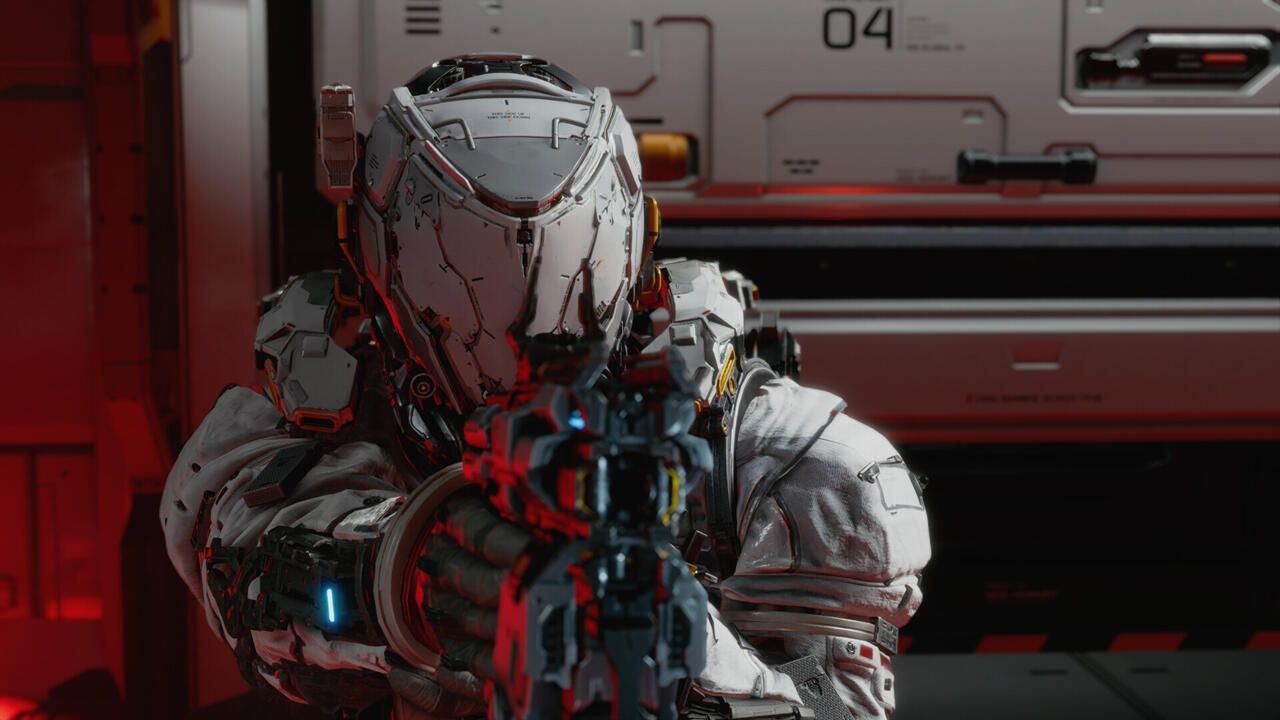
Diana’s hacking tools become more complex as the game progresses. Basic hacking grids contain nodes that can increase damage if players pass through them before reaching the goal. Later, players can equip special hacking nodes that apply additional effects, such as increasing weapon damage or causing enemies to overheat.
These tools add another layer of decision-making. Special nodes appear inside the hacking grid, but using them is not always the best choice. Sometimes they are worth spending for a powerful effect. Other times, players may want to avoid them and save resources for a harder battle.
Hacking Modes add even more variety. These can change the purpose of the hacking grid and encourage different playstyles. One mode may reward players for firing at exposed enemies before returning to the grid for extra damage. Another may support a more defensive or utility-focused strategy.
This flexibility keeps combat from becoming repetitive. The more tools you unlock, the more ways you have to approach each encounter.
The Shelter Is More Than a Simple Hub
Between missions, players return to the Shelter, a safe area that serves as the main hub. This is where Hugh and Diana rest, upgrade equipment, unlock new abilities, train, and prepare for the next stage.
The Shelter is also where much of the game’s emotional storytelling happens. Players can give Diana keepsakes found around the moon base, triggering conversations about Earth, childhood, and human life. These quiet moments help balance the intensity of combat and make the characters feel more connected.
Progression systems are also tied to the Shelter. Players can upgrade Hugh’s health, weapon damage, hacking ability, and other stats. Weapons and abilities can be improved, and new tools become available as the Shelter expands. There is even a bingo-style reward system that unlocks extras such as cosmetics, enemy models, and powerful hacking tools.
Importantly, the Shelter is not only used between major missions. Checkpoints throughout stages allow players to return, heal, spend currency, and restock items. Enemies may respawn when doing this, but the benefits are often worth it. This creates a satisfying loop of exploration, retreat, preparation, and pushing deeper into dangerous areas.
Exploration Encourages Returning to Old Areas
Pragmata uses a stage-based structure, but it includes enough exploration to encourage revisiting earlier locations. Some secrets cannot be reached the first time through a stage because they require later upgrades or special access tools.
This gives the game a light metroidvania-style flavor without completely changing its structure. Returning to older areas can reveal hidden rewards, upgrade materials, story details, and combat challenges. Special red rooms offer tougher encounters with valuable prizes, giving skilled players a reason to test themselves outside the main path.
The level design does a good job of pushing players forward while still rewarding curiosity. Exploration feels meaningful because it feeds back into combat progression and story discovery.
A Story With Strong Worldbuilding and Surprising Payoffs
The central mystery of Pragmata is supported by environmental storytelling. Holographic recordings, datapads, and abandoned areas reveal what happened inside the lunar facility. These details slowly build a picture of the base, its AI systems, the corporate mission, and Diana’s connection to everything.
The game uses familiar sci-fi ideas, but it handles them with enough care to remain engaging. It plants clues early and pays them off later, sometimes confirming player theories and sometimes subverting them. The mystery becomes more compelling as each layer is revealed.
By the final act, Pragmata successfully combines action, emotional stakes, and narrative payoff. The ending tests the player’s skills while also delivering a strong character-driven conclusion.
Final Verdict: Pragmata Is One of Capcom’s Best New Ideas
Pragmata is a standout sci-fi shooter because it combines strong fundamentals with a genuinely inventive combat system. The mix of shooting and hacking creates constant tension, while the upgrade systems, weapon variety, and tactical options give players plenty of room to experiment.
Just as importantly, the game has heart. Hugh and Diana’s relationship gives the story emotional weight, and the moon-base mystery keeps the adventure engaging from start to finish. The Shelter, exploration systems, and post-game content add even more depth to the experience.
For players who miss ambitious single-player shooters with strong identities, Pragmata is easy to recommend. It is tense, clever, polished, and emotionally satisfying. Capcom has delivered a new sci-fi franchise with real potential, and Hugh and Diana’s journey is one worth experiencing.
Pragmata FAQ
What kind of game is Pragmata?
Pragmata is a third-person sci-fi shooter that combines traditional gunplay with real-time hacking mechanics, exploration, upgrades, and story-driven progression.
Who are the main characters in Pragmata?
The story follows Hugh Williams, an astronaut stranded on a lunar research base, and Diana, a mysterious android girl who helps him survive by hacking hostile robots.
How does combat work in Pragmata?
Players control Hugh’s weapons while also using Diana’s hacking grids to expose enemy robots. Combat requires shooting, movement, hacking, and quick tactical decisions at the same time.
Does Pragmata have upgrades?
Yes. Players can upgrade weapons, hacking tools, base stats, abilities, and Shelter functions while unlocking new tactical options throughout the game.
Is Pragmata worth playing?
Yes. Pragmata is worth playing for fans of single-player sci-fi shooters, strategic combat systems, strong character stories, and polished Capcom action games.