People of Note Review: A Charming RPG Musical That Loses Tempo Late
People of Note Review: A Musical Turn-Based RPG Full of Heart, Humor, and Strategy
People of Note is a colorful, musical turn-based RPG that feels like it was made with genuine love for old-school role-playing games, stage musicals, and genre-driven comedy. It is silly, heartfelt, energetic, and packed with music-based worldbuilding. At the same time, it carries some of the same problems that older RPGs often struggled with, especially when battles become too long in the final stretch.
The game follows Cadence, an aspiring pop star who dreams of winning a major singing competition and becoming famous. Worried that her song is not strong enough to impress the judges, she travels across the land of Note to find musicians who can help her improve it. What begins as a simple musical road trip slowly grows into a much larger adventure involving ancient powers, strange villains, and a threat that could affect all of reality.
That setup sounds dramatic, but People of Note never forgets to be playful. This is a game where musical puns shape entire cities, battles are fought by throwing music at enemies, and friendship is treated as a serious weapon against cosmic danger. If that kind of humor works for you, People of Note can be a charming and memorable RPG. If puns and pop-culture references wear you down quickly, its personality may be harder to enjoy.
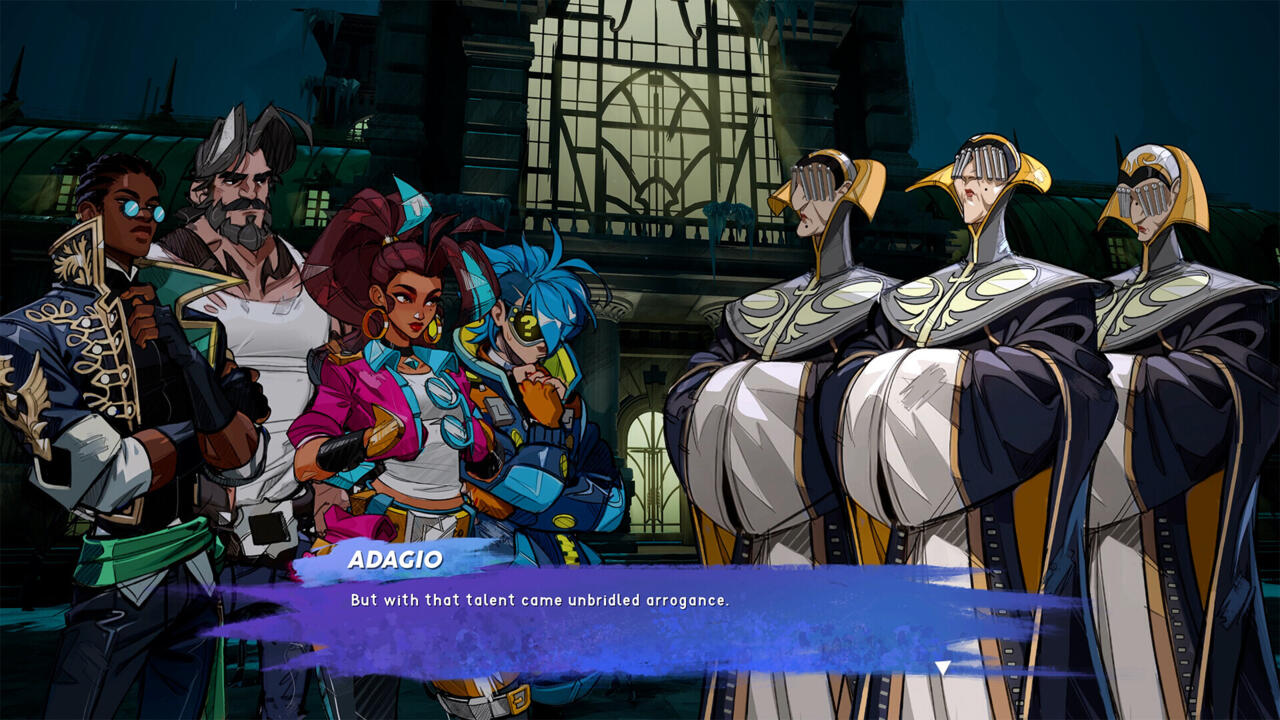
A World Built Around Musical Genres
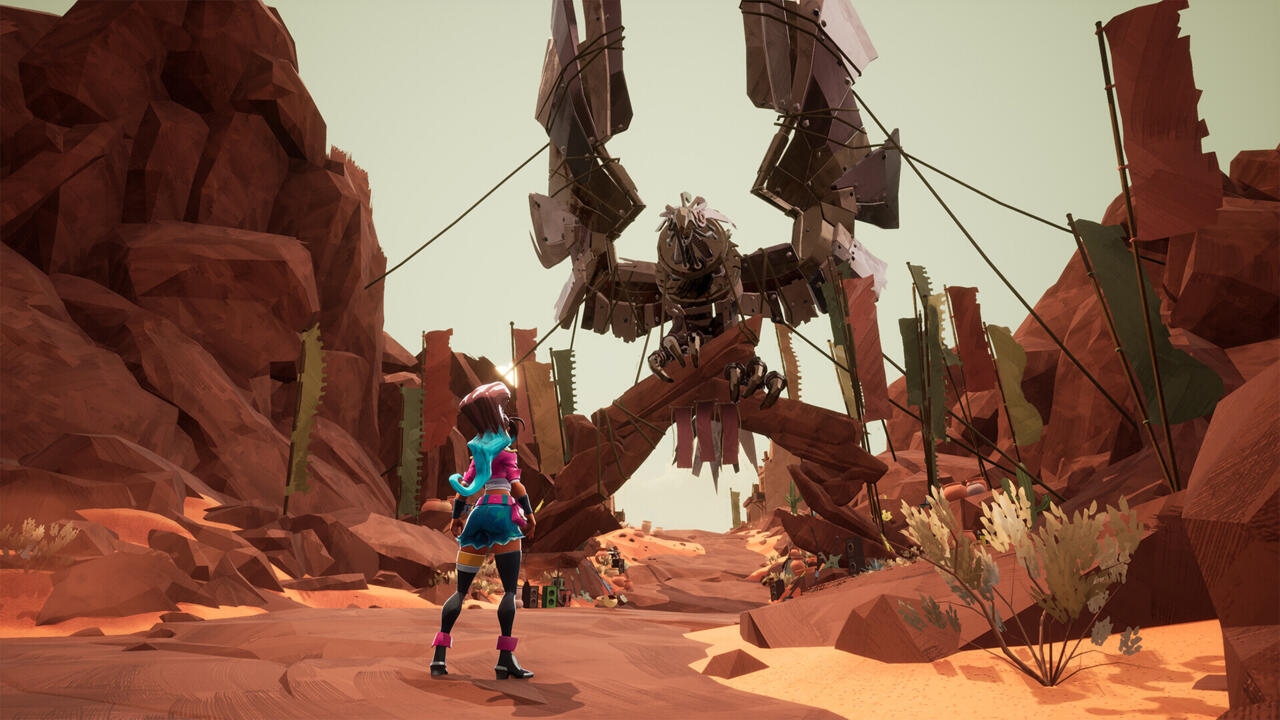
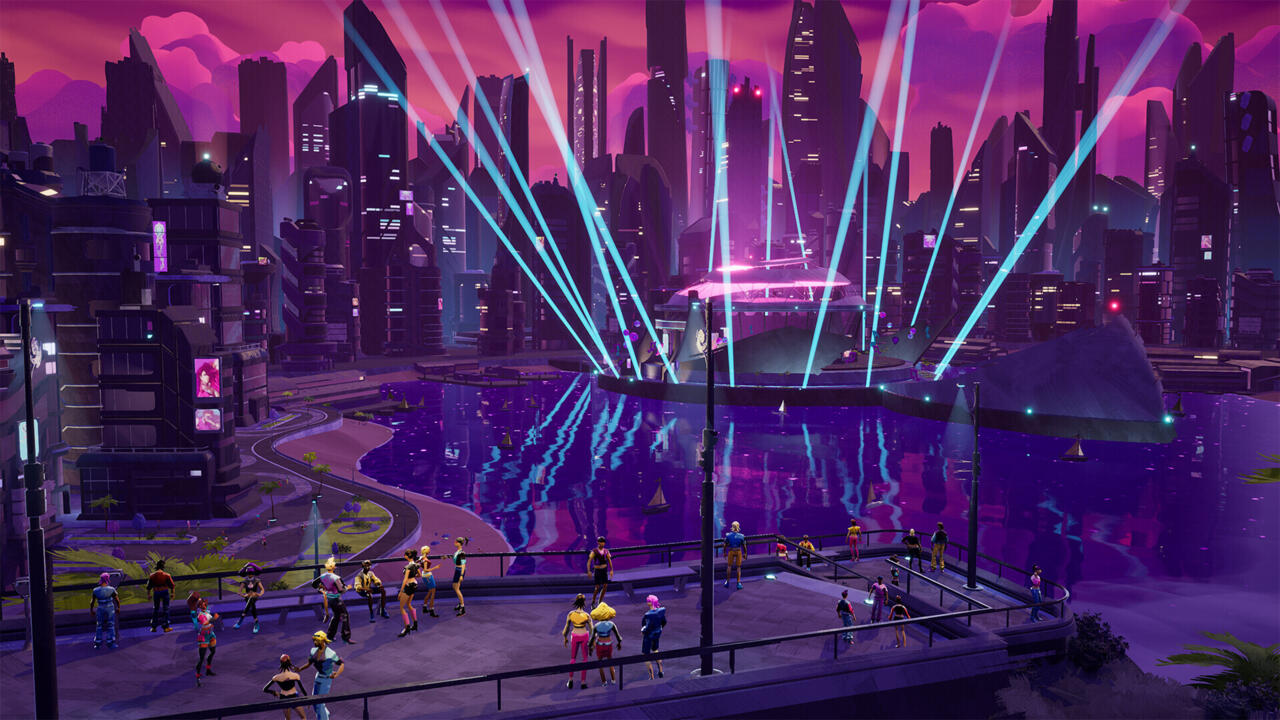
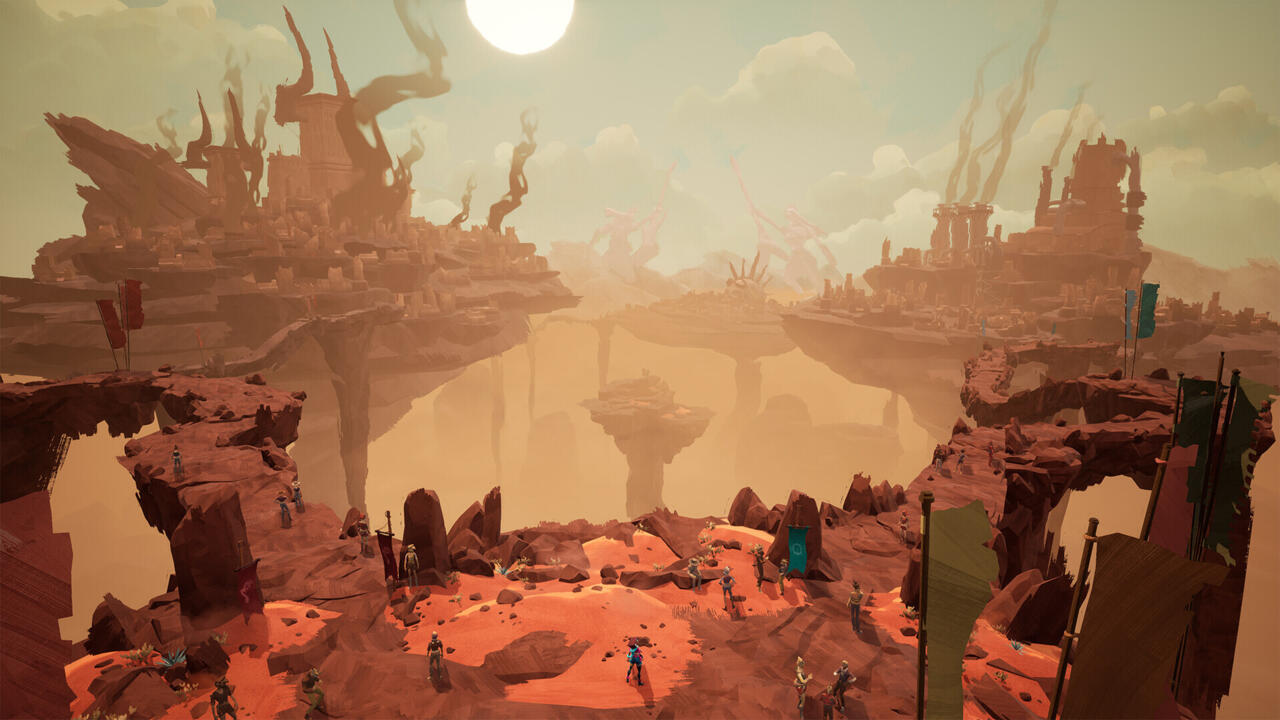
The land of Note is the game’s biggest creative achievement. Each major region is inspired by a different style of music, giving every area its own culture, look, sound, and identity. Cadence’s journey takes her through a desert shaped by rock music, a futuristic city filled with EDM energy, a blocky party district devoted to rap and hip-hop, and several other genre-themed locations.
This structure makes exploration consistently entertaining because every new region feels like a fresh musical concept. The game is not just using music as a soundtrack; it builds its society, jokes, politics, conflicts, and mythology around musical language. Nearly every character, location, and plot point is connected to music in some way.
That commitment gives People of Note a strong identity. It may be corny at times, but it is never generic. The game knows exactly what kind of world it wants to create, and it commits fully to the idea.
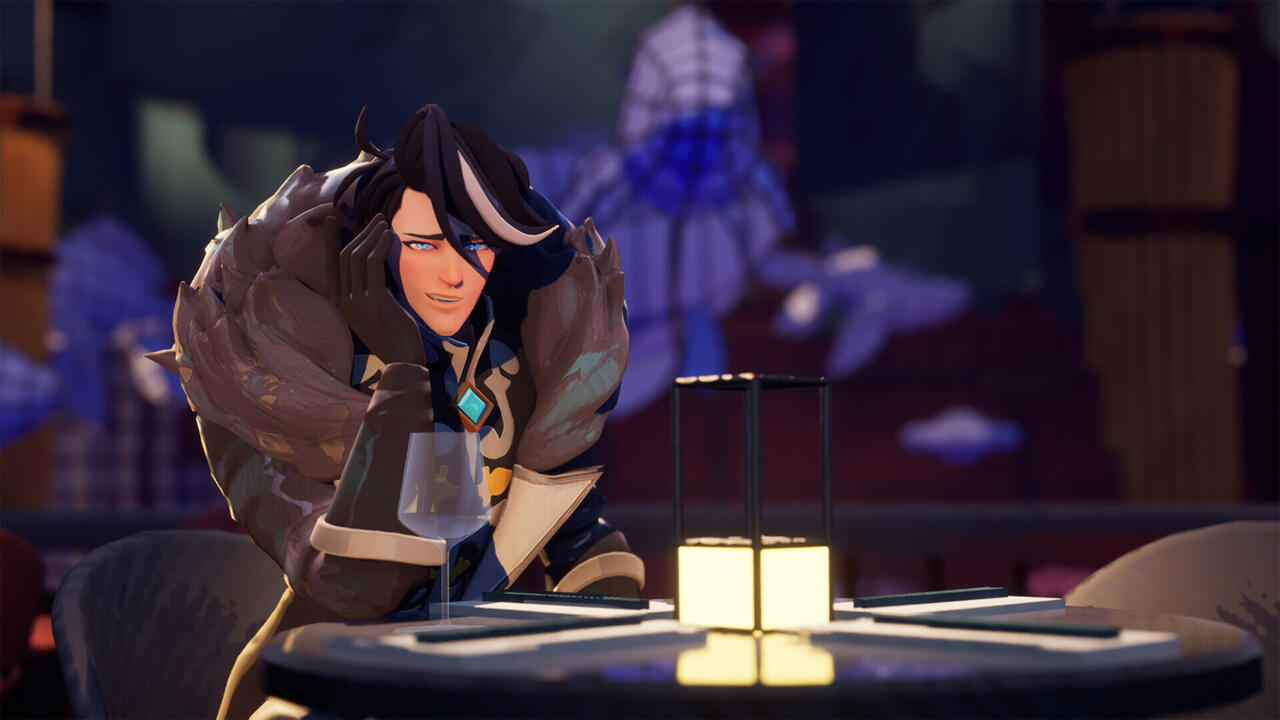
Cadence Carries the Story
Cadence is the emotional center of People of Note. Her dream of becoming a pop star starts the adventure, but her journey becomes more meaningful as she meets new allies, learns from different musical cultures, and discovers what her song can truly represent.
Her character arc is one of the game’s strongest elements. Major moments are brought to life through animated musical performances that feel inspired by Broadway-style storytelling. These scenes help important emotional beats land with more impact, whether the story is revealing a character’s motivation, showing a turning point, or building toward a dramatic confrontation.
The supporting cast also adds personality. Fret, a rock-focused party member, and Synthia, an EDM-inspired DJ, both receive enough time to develop distinct roles in the group. However, the final party member, Vox, is introduced late in the story and does not receive the same level of attention. Because Act 3 is already crowded with villains and unresolved plotlines, Vox feels less developed than the rest of Cadence’s band.
The story’s final act is also a little too busy. Several villains and conflicts come together back-to-back, which creates excitement but also makes the pacing feel crowded. Some of these storylines could have been resolved earlier to give the ending more room to breathe.
Humor Is a Major Part of the Experience
People of Note relies heavily on jokes, puns, references, and musical wordplay. Its humor is bold and constant, similar in spirit to games that embrace absurd dialogue and pop-culture comedy. Sometimes it is genuinely funny. Other times, it can become overly corny.
Whether that works depends on your taste. Players who enjoy exaggerated RPG humor, musical jokes, and self-aware fantasy storytelling will probably find the game charming. Players who prefer more serious RPG writing may find the jokes distracting.
Still, the humor gives People of Note a personality that stands apart from many indie RPGs. Even when a joke does not land, the game’s enthusiasm is hard to ignore.
Turn-Based Combat With Musical Timing
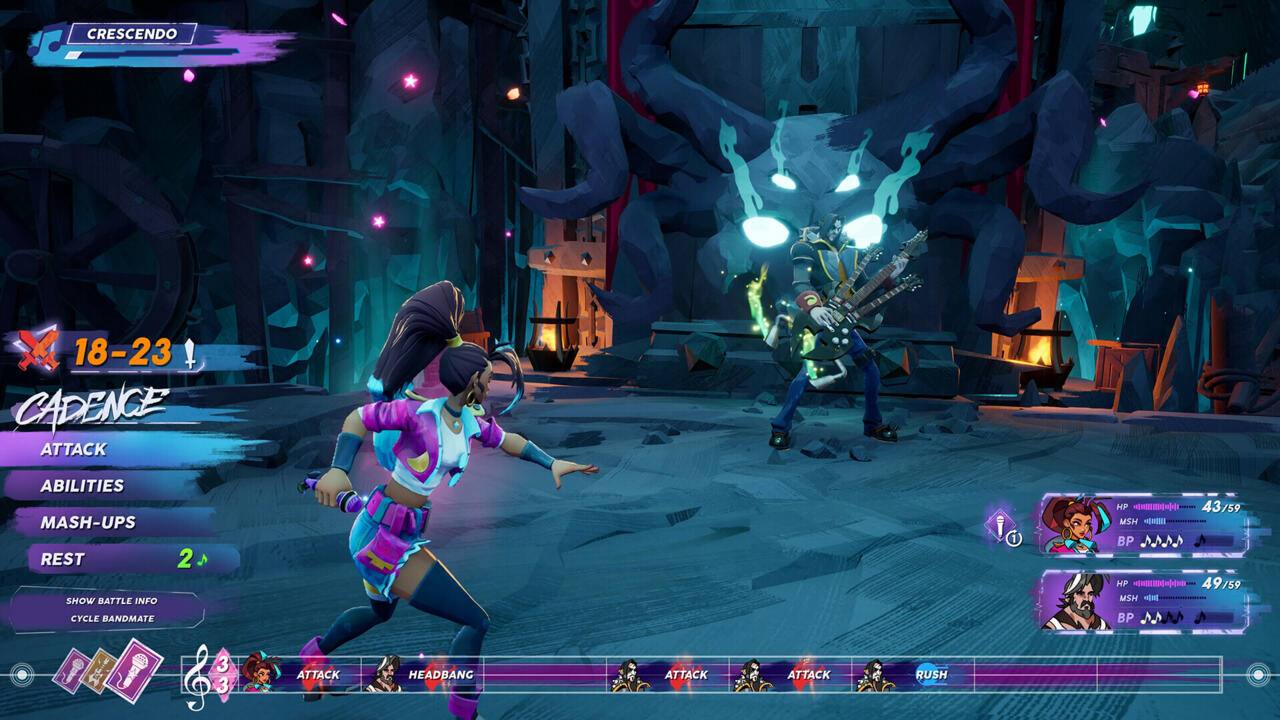
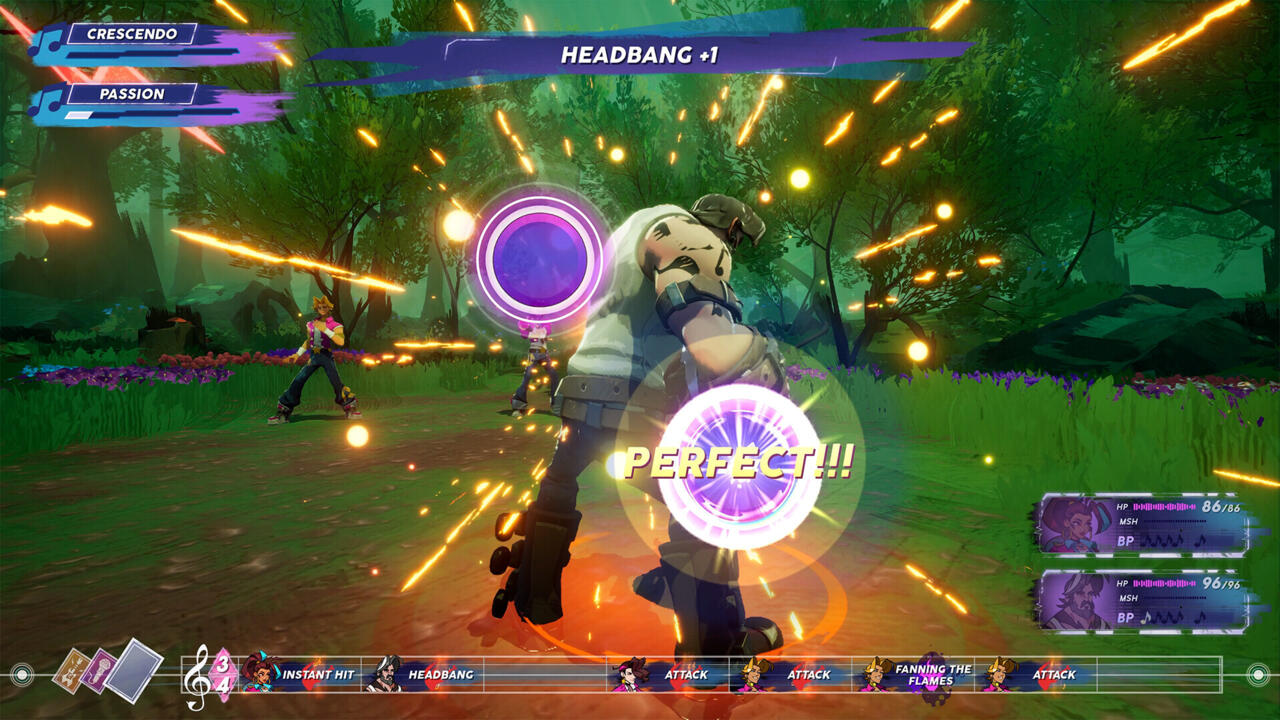
Combat in People of Note is turn-based, with each turn referred to as a stanza. Cadence and her allies can perform basic attacks for free, but their stronger abilities require Beat Points, which build over time during battle.
Each special move includes a quick-time input. Performing the input correctly increases the move’s effectiveness, while missing the timing weakens it. On paper, this gives combat a more active rhythm and keeps players engaged during turns.
The problem is that the quick-time patterns do not always feel naturally connected to the music. Each ability has a fixed input pattern, but the background music changes depending on the battle, region, and active musical genre. This can create a strange disconnect where your instinct tells you to press buttons with the beat, but the actual input pattern demands something different.
Early on, this is manageable. Later, when abilities require more complex inputs, the system can become frustrating. Thankfully, the game allows players to turn off the quick-time mechanic in the settings. That option makes the combat more accessible and prevents timing frustration from ruining the experience.
Strategy Makes Battles Interesting
Outside of the quick-time issue, People of Note has a solid combat system. Each party member has a defined role, but customization gives players room to experiment. Cadence works as an all-rounder, while Fret can be built as a healer, support character, tank, or damage dealer depending on the abilities you equip.
Characters can be customized with stones that grant different skills. This system encourages players to think about party synergy instead of simply choosing the strongest attacks. Building Fret into a dedicated healer can make the party safer, while turning him into a durable tank creates a different strategy entirely.
Battle modifiers also add depth. Enemies can change turn order, reduce damage, stun party members, or apply other effects that force players to adjust. Once Synthia and Vox join the group, combat becomes more tactical. Synthia can manipulate turn order and remove modifiers, while Vox applies debuffs and offensive pressure.
When the system is working well, battles feel like a musical duel between two groups trying to outmaneuver each other. Reading enemy patterns, managing Beat Points, and using the right abilities at the right time can be very satisfying.

Late-Game Battles Drag Too Long
The biggest issue with People of Note is that combat becomes less enjoyable near the end. Instead of making enemies smarter or adding more varied tactics, the game often increases difficulty by giving bosses much larger health bars.
This causes late-game fights to drag. Once you understand a boss’s strategy and know how to win, the battle may still continue for a long time. That can make victories feel less exciting because the challenge has already been solved, but the fight keeps going.
The game includes a setting that lets players automatically win battles, and it becomes tempting to use during the final act. That feature is helpful for players who want to focus on the story, but it also highlights the pacing problem. The final hours would be stronger if boss fights were shorter, sharper, and more mechanically varied.
Puzzles and Side Activities Add Variety
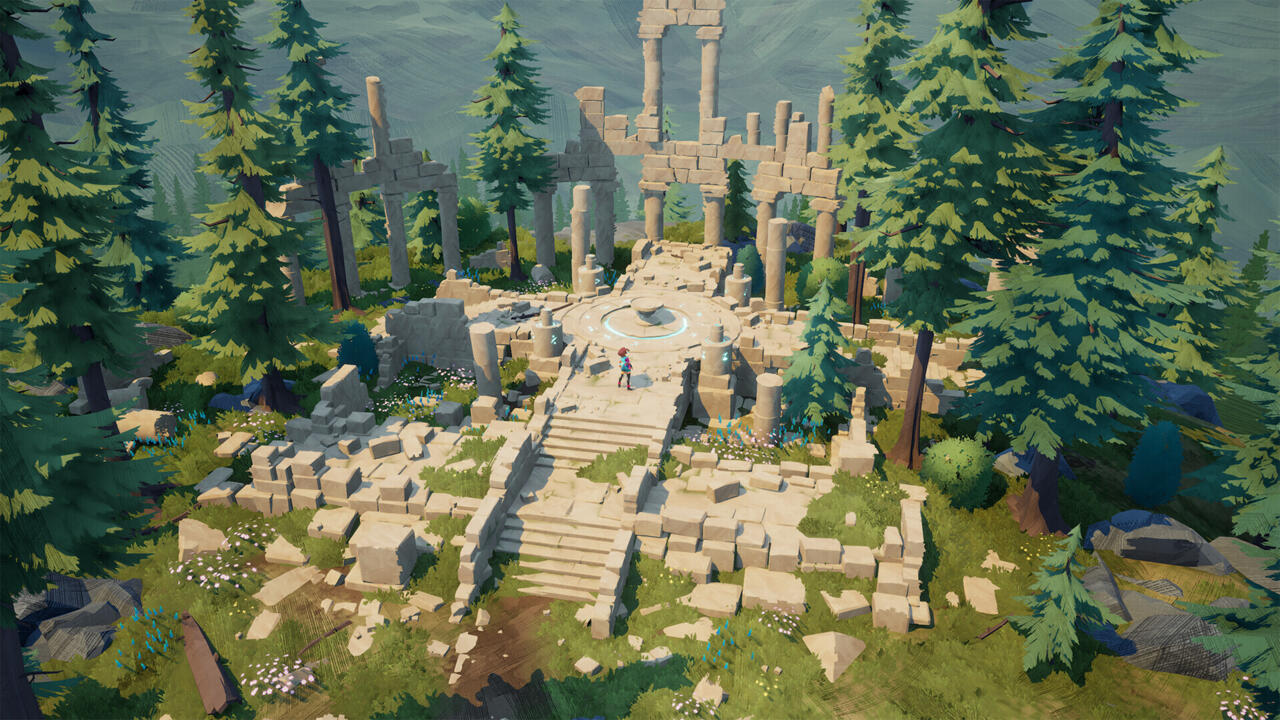
People of Note avoids random encounters and fully heals the party after each fight. This is a smart design choice because it keeps combat from becoming an exhausting survival grind. Each dungeon can focus on individual battles, exploration, and puzzles instead.
Cadence gains musical powers outside of combat, such as abilities that push heavy objects or link two objects together. These powers are used to solve environmental puzzles that grow more complex as the game progresses. The best puzzles require players to combine multiple powers and apply lessons learned from earlier areas.
The game also includes logic challenges, quizzes, side quests, and even a fun detective-style sequence late in the story. These moments help break up the combat and show how much creativity was put into the world.
The Soundtrack Is the Game’s Greatest Strength
For a musical RPG, the soundtrack needs to deliver, and People of Note succeeds. The music is catchy, colorful, and central to the game’s identity. Pop music is the foundation, but the soundtrack also explores rock, rap, EDM, opera, classical, and other styles.
Each region has its own musical personality, and combat themes shift depending on the location and enemy type. When a specific party member’s genre takes center stage during battle, the music changes to match, and that character becomes stronger. This makes the soundtrack feel integrated into the mechanics instead of existing only in the background.
The fully animated songs are especially memorable. They give major story moments extra emotional weight and reinforce the game’s belief that music is a powerful form of identity, expression, and connection.
One missed opportunity is that the game does not use genre blending as often as its premise suggests. Since Cadence’s journey is about adding new sounds to her pop song, more musical collaborations between party members would have made the story even stronger.
Final Verdict: A Charming Musical RPG With Some Rough Edges
People of Note is a charming and creative turn-based RPG with a strong musical identity. Its world is imaginative, its soundtrack is excellent, and its best story moments feel like scenes from a colorful stage musical. Cadence is a strong protagonist, and the game’s blend of comedy, music, puzzles, and strategy gives it a distinct personality.
However, the game is not without flaws. The humor may be too pun-heavy for some players, the quick-time combat inputs can feel disconnected from the music, Vox arrives too late to feel fully developed, and the final act suffers from overly long boss battles.
Even with those issues, People of Note is easy to appreciate. It is a game with heart, personality, and a clear creative vision. Players who enjoy musical storytelling, turn-based RPGs, colorful worlds, and lighthearted fantasy adventures will find plenty to love.
People of Note FAQ
What kind of game is People of Note?
People of Note is a musical turn-based RPG with party-based combat, puzzle-filled dungeons, animated songs, and a fantasy world built around different music genres.
Who is the main character in People of Note?
The main character is Cadence, an aspiring pop star who travels across the land of Note to improve her song and follow her dream of winning a singing competition.
Does People of Note have rhythm gameplay?
People of Note includes quick-time inputs during combat, but it is primarily a turn-based RPG rather than a traditional rhythm game.
Is People of Note difficult?
The game has strategic battles, but it also includes accessibility settings that let players turn off quick-time inputs or skip difficult fights if they prefer to focus on the story.
Is People of Note worth playing?
Yes, especially for players who enjoy musical RPGs, colorful indie games, turn-based strategy, puzzle dungeons, and humor-heavy storytelling.