New Resident Evil Movie Reboot Will Use Monsters Inspired by Resident Evil 4 and Resident Evil 6
Meta Description: The upcoming Resident Evil reboot movie will feature creature inspiration from Resident Evil 4 and Resident Evil 6, as Zach Cregger creates a new horror story separate from the game plots.
The new Resident Evil movie reboot is moving in a direction that may surprise longtime fans. Rather than adapting one specific game, director Zach Cregger is creating a fresh story within the Resident Evil universe. The movie will not focus heavily on the franchise’s most famous characters or simply recreate iconic game scenes. Instead, the team is pulling from the series’ monster design, biological horror, and twisted science-fiction identity.
One of the most interesting revelations is that the reboot will include creature inspiration from both Resident Evil 4 and Resident Evil 6. That is a fascinating mix. Resident Evil 4 is widely loved and helped redefine modern action-horror. Resident Evil 6, on the other hand, remains one of the most criticized games in the franchise. Yet even a divisive game can contain ideas worth revisiting, especially when it comes to monster design.
Production designer Tom Hammock explained that he and Cregger examined specific creature elements from the games, including tentacles, teeth, and other disturbing biological details. Rather than copying those monsters directly, the team is using that visual language to create new threats for the movie.
This Is Not a Direct Game Adaptation
Many Resident Evil fans want a film that faithfully adapts the games. That is understandable. The series has some of the most recognizable characters and locations in survival horror, including Jill Valentine, Chris Redfield, Leon Kennedy, Claire Redfield, Ada Wong, the Spencer Mansion, Raccoon City, and the Umbrella Corporation.
However, Cregger has made it clear that he is not trying to retell those stories. He believes the games already handle their own narratives extremely well. Instead of competing with them, he wants to create something new that still feels connected to Resident Evil’s horror foundation.
This approach may frustrate fans who want a direct adaptation, but it also gives the movie room to surprise audiences. A completely familiar story can lose tension because viewers already know what is coming. A new story can restore uncertainty, which is essential for horror.
Why Resident Evil 4 Is a Strong Influence
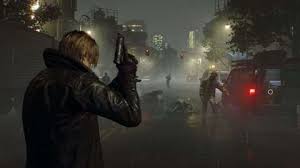
Resident Evil 4 is one of the most influential games in the franchise. It shifted the series toward more action while keeping an atmosphere of fear, isolation, and grotesque transformation. The enemies in Resident Evil 4 are memorable because they are not just ordinary zombies. They are infected people controlled by a parasite, and their bodies can transform in shocking ways.
That kind of horror is perfect for film. A normal-looking enemy can suddenly reveal tentacles, split-open anatomy, or unnatural movement. This creates visual shock and keeps the audience unsure of what a creature can do next.
If the movie uses Resident Evil 4’s influence correctly, it can create monsters that feel unpredictable and disgusting without relying only on jump scares. The horror can come from transformation, infection, and the fear that the human body is no longer human.
Why Resident Evil 6 Deserves Another Look
Resident Evil 6 may not be a fan-favorite game, but it contains creature ideas that could work better in a movie than they did in gameplay. The game is filled with extreme mutations, unstable viral transformations, teeth-heavy designs, tentacles, and creatures that feel like failed experiments pushed too far.
The problem with Resident Evil 6 was not only its monsters. Much of the criticism came from its pacing, action-heavy structure, and lack of traditional survival horror tension. A movie can take the creature concepts and place them in a darker, more frightening context.
That is why using Resident Evil 6 as inspiration is not necessarily a bad sign. It suggests the filmmakers are looking across the entire franchise for useful horror imagery, not just copying the most popular entries.
Grounded Science Could Make the Monsters Scarier
Hammock’s comments about medical research are especially important. Resident Evil is at its best when its monsters feel like the result of science gone wrong. The franchise is built on viruses, parasites, genetic experiments, bioweapons, and corporations pushing research beyond ethical limits.
By studying real medical references, the production team can give the creatures a more believable foundation. Then, once that foundation is in place, the designs can become more exaggerated, disturbing, and monstrous.
This grounded approach could help the reboot avoid looking like a generic creature movie. If the monsters feel biologically plausible before they become impossible nightmares, the horror becomes more effective.
The Movie May Divide Resident Evil Fans
There is no way around it: this reboot may divide the fanbase. Some fans will appreciate a fresh horror story that avoids repeating the games. Others may be disappointed if the movie does not include beloved characters, famous locations, or direct plotlines.
That tension has always followed Resident Evil adaptations. The franchise has a long film history, but not every movie has satisfied game fans. Some adaptations leaned heavily into action, while others tried to reboot the story with mixed results.
The new movie has a chance to succeed if it understands what fans actually want from the tone. Resident Evil does not need to be a perfect copy of the games, but it does need to feel dangerous, eerie, and biological. It needs the sense that every locked door, strange noise, and infected body could hide something worse.
What Makes a Good Resident Evil Creature?
A strong Resident Evil monster should feel like a warning. It should suggest that someone experimented with nature and lost control. The best creatures in the franchise are not scary only because they are violent. They are scary because they represent infection, mutation, and the collapse of the body.
That is why the focus on teeth, tentacles, and medical realism matters. These elements connect to body horror. They make viewers uncomfortable because they distort familiar human anatomy into something wrong.
If the reboot can deliver monsters that feel practical, physical, and horrifying, it may win over audiences even without relying on the most famous game characters.
Why Zach Cregger’s Direction Is Interesting
Zach Cregger’s involvement gives the movie extra attention. He has shown interest in horror that plays with audience expectations, and that could be useful for Resident Evil. The franchise works best when the player, or viewer, feels uncertain about what is waiting in the next room.
A reboot that is not locked to a specific game could allow Cregger to build suspense in his own way. He can use Resident Evil’s themes and creature language while still creating new characters, new situations, and new scares.
That freedom could be the film’s biggest advantage. It could also be its biggest risk.
Final Thoughts
The upcoming Resident Evil reboot is making a bold choice by stepping away from direct game adaptation and focusing on new horror. Its creature inspiration from Resident Evil 4 and Resident Evil 6 suggests a movie built around grotesque biological threats, medical realism, and body-horror transformations.
Fans may debate whether this is the right direction, especially if iconic characters and settings are not central to the story. But the idea has potential. Resident Evil is bigger than one mansion, one city, or one protagonist. At its core, it is about infection, experimentation, survival, and terror.
The new Resident Evil movie is scheduled to arrive in theaters on September 18. If it captures the franchise’s atmosphere and delivers unforgettable monsters, it could become the fresh cinematic reboot Resident Evil has needed for years.