Strategic Deckbuilding Meets Roguelike Chaos: The Dice of Kalma Deep Dive Review (2025)










Popular Now
 NBA 2K24
 Genshin Impact
 BeamNG.drive
 Free Fire
 Call of Duty
 Schedule I
 Fortnite
 Fall Guys
 EA SPORT FC 25
 CarX Street
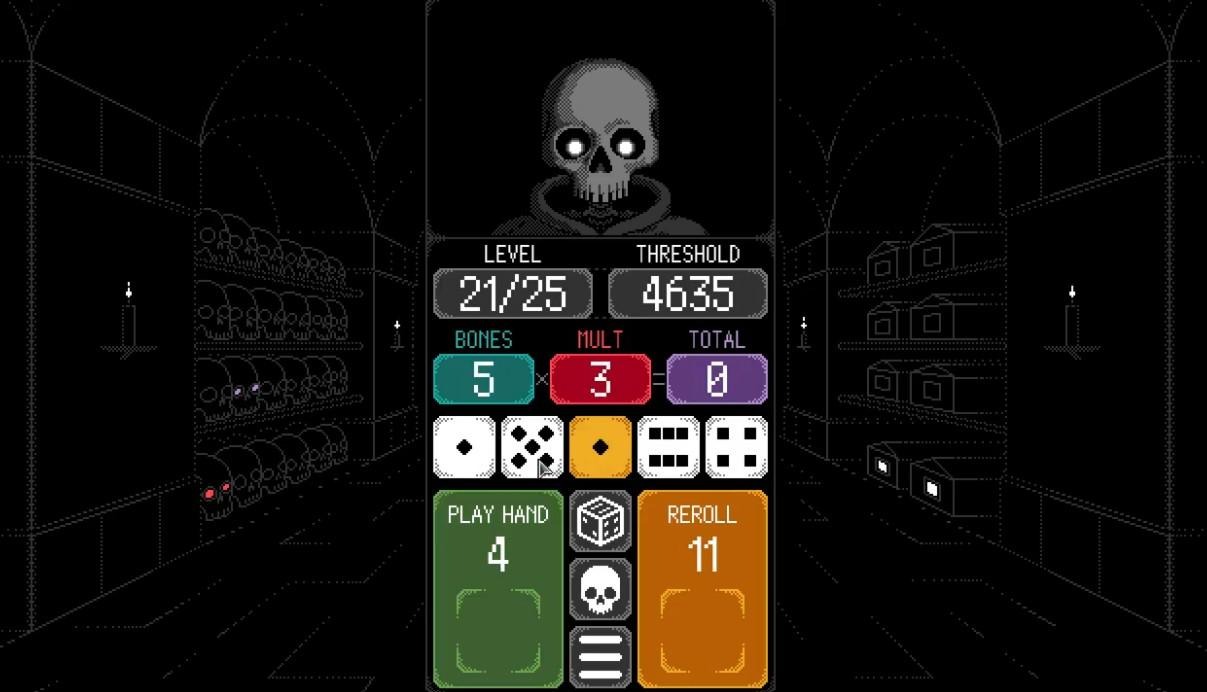 Nov 17, 2025 – In a year dominated by colossal AAA launches and the continuing growth of the mobile RPG market, the indie scene has quietly birthed a new contender: Dice of Kalma. Developed by Pepperbox Studios, this title (released November 14, 2025) enters the competitive deckbuilding roguelike genre, drawing immediate comparisons to viral hits like Balatro and carving out a niche in the saturated market of strategic mobile games. This in-depth review analyzes its mechanics, monetization, and overall value proposition for both casual players and hardcore strategists looking for the next must-play indie game. Given the high revenue generation of the RPG and strategy sectors (Source: XMP & Insightrackr, Q3 2025), Dice of Kalma’s premium gameplay experience is positioned for significant user acquisition success.
The game is a fresh take on the classic battle against the Underworld’s grim guardian, Kalma. Players are tasked with building a deck of powerful ‘skulls’ and manipulating dice rolls to escape back to the world of the living. Its core strength lies in its approachable gameplay married with a stylish, minimalist design—a successful formula increasingly favored by high-engagement indie developers.
Core Gameplay Mechanics and Strategic Depth
Dice of Kalma is fundamentally a dice-based combat system layered with deckbuilding strategy. Unlike traditional card-based roguelikes, success hinges on skillfully managing your dice pool and the synergistic effects of the ‘skulls’ you collect. The game features a clean, highly effective user interface that aids in the swift execution of complex moves, a critical factor for a premium mobile gaming experience in 2025.
The Skull Deck System
The ‘deck’ is composed of unique ‘skulls,’ each granting a permanent or triggerable bonus. Finding the optimal synergy between skulls is the central challenge. The current meta, only days post-launch, already highlights the potential for broken builds—a key driver of community engagement and content creation.
- Rarity and Acquisition: Skulls are acquired through random drops or purchases using in-game currency. This loot-driven progression is standard for the genre but is executed here with a rewarding, balanced frequency.
- Strategic Sequencing: The order in which skulls are activated, and the timing of dice re-rolls, introduces a compelling layer of decision-making that elevates it beyond mere luck.
High-Stakes Dice Manipulation
The core combat revolves around rolling a set of dice and matching specific combinations to meet the current round’s requirement, similar to poker hands in its spiritual predecessor. The ability to re-roll and utilize skull powers to change dice outcomes introduces the necessary player agency to the otherwise randomized system.
Early-Game Experience: The initial levels offer a smooth learning curve, a feature appreciated by new mobile gamers. However, the difficulty ramps up significantly around levels 8-12, forcing players to master advanced deckbuilding and resource management.
Monetization, Longevity, and the IAP Model
In the 2025 gaming economy, a sustainable monetization strategy is crucial. Dice of Kalma implements a nuanced system, which, for a roguelike, is relatively player-friendly but leans on current market trends for user retention and in-app purchases (IAP).
IAP and the Unlockable Classes
The game offers additional classes and cosmetic items. While the base game offers substantial content, new classes are unlocked using an in-game currency. This currency can be earned through gameplay or purchased via microtransactions.
- Free-to-Play Accessibility: The core loop is accessible for free, aligning with the Google Play market’s preference for ad monetization and free-to-play models (Source: ASOMobile, 2025).
- Value Proposition: The paid unlockable content focuses on variety and alternate playstyles rather than direct power, preserving the integrity of the competitive balance—a key ethical consideration for high-quality games.
Post-Launch Content and Future Outlook
Current reviews note that while the game is highly enjoyable, additional content will be necessary to keep long-term user engagement. The developers have shown commitment by already issuing updates to fix minor bugs and slightly adjust the difficulty curve in the mid-game. This responsiveness is a strong indicator of a dedicated team focused on maximizing the game’s revenue potential and solidifying its position as a top-tier mobile roguelike.
Market Positioning and Competitive Analysis
The success of Dice of Kalma is measured against the titans of the indie strategy sector. It directly competes with other top-rated deckbuilders but seeks to differentiate itself through its dice-focused core loop.
The ‘Post-Balatro’ Phenomenon
Industry analysts have dubbed this new wave of high-polish, poker-inspired roguelikes as the ‘post-Balatro’ era. Dice of Kalma successfully captures the feeling of a simple system hiding exponential complexity. Its immediate positive reception (89% positive reviews on Steam as of this report) confirms that there is a high-intent, affluent audience for niche strategy games.
Comparative Advantage: The aesthetic is starker, embracing the ‘grim guardian’ theme, which provides a thematic break from its more whimsical competitors. This focus on strong visual narrative and unique game mechanics is essential for high visibility in crowded app stores.
The Rise of Mid-Core Mobile Gaming
As the mobile market shifts from hyper-casual dominance towards mid-core expansion, games that balance accessibility and depth are primed to drive the highest engagement. Dice of Kalma is a perfect fit for this trend, targeting players who are seeking a challenging, console-quality experience on their mobile devices, a group associated with higher player lifetime value (LTV).
Critical Assessment: The Verdict
Dice of Kalma is a triumph of minimalist design and maximum mechanical depth. Pepperbox Studios has delivered an immensely compelling strategic game that respects the player’s intelligence. While some players may find the current content ceiling to be a concern, the potential for expansion is enormous, given the solid foundational mechanics.
This is not a casual download; it is a serious investment of time and strategy. For those seeking the satisfaction of optimizing a truly unique build and mastering the nuanced interaction between dice and deck, Dice of Kalma is the newest addiction in the roguelike space. It has successfully leveraged the current trends in mobile gaming monetization and design to deliver a product that is not just fun, but strategically positioned for long-term market success.
Final Score: 9.0/10 – A high-quality digital strategy game with significant replay value.
Key Takeaways for Strategy Game Enthusiasts
- Deep Synergy: Mastering the skull-dice interplay is critical.
- Difficulty Spike: Prepare for a serious challenge after the initial introduction levels.
- Genre Leadership: A serious contender in the deckbuilding roguelike genre.