Marathon Review: Brilliant Moments Held Back by Frustrating Flaws
Marathon Review: Bungie’s Extraction Shooter Delivers Tense Gunfights and Deep Progression
Marathon is Bungie’s bold return to one of its oldest sci-fi universes, but this is not a traditional story-driven shooter. Instead, Marathon reimagines the franchise as a high-stakes online extraction shooter built around PvPvE combat, squad tactics, loot, faction progression, and the constant risk of losing everything you brought into a match.
Extraction shooters live or die by tension. Every run needs to feel valuable. Every fight needs to feel dangerous. Every decision needs to matter. Marathon understands this immediately. You drop into Tau Ceti IV with your gear, search abandoned colony zones for weapons and equipment, fight hostile robots and rival players, then try to escape before everything falls apart.
At its best, Marathon creates the kind of match you remember long after it ends. A single building can turn into a warzone. A simple contract can become a desperate fight against multiple squads. A teammate’s clutch revive or a perfectly timed flank can be the difference between escaping with valuable loot and losing everything in seconds.
That emotional swing is the heart of Marathon. It can be thrilling, frustrating, rewarding, and exhausting, sometimes all in the same session. But when its systems click, Marathon becomes one of the most exciting competitive shooters Bungie has made in years.
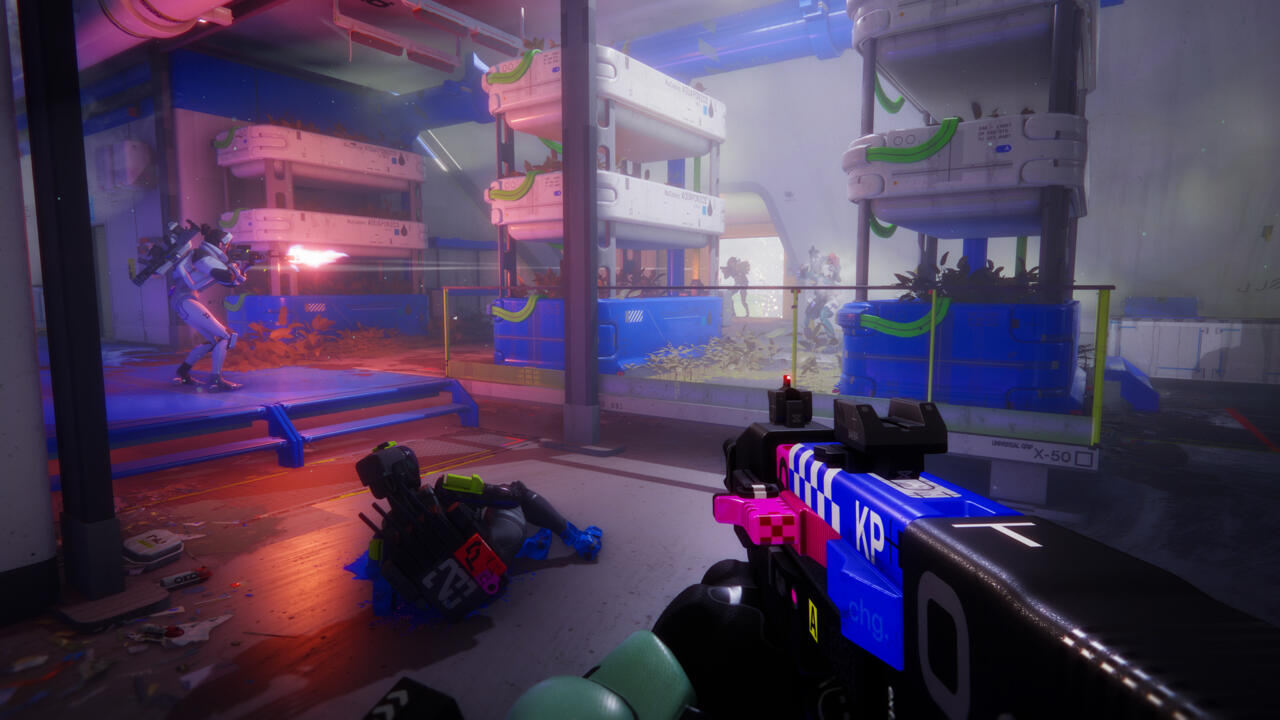
A High-Stakes Extraction Shooter Built Around Risk
The basic structure of Marathon is simple. You enter a large map on Tau Ceti IV, complete contracts, collect loot, fight enemies, and extract with whatever you can carry. If you escape, the gear is yours. If you die, most of it is gone.
This risk-reward loop gives every match immediate tension. Even a small victory feels meaningful when you know you have to survive long enough to keep it. Finding a better weapon, rare mod, or valuable contract item creates excitement, but it also increases pressure. The more you carry, the more you have to lose.
Marathon also includes proximity voice chat, which gives players the option to negotiate, make temporary alliances, or talk their way out of danger. However, the game currently leans heavily toward competition. Most encounters with other teams turn into firefights quickly, and players should expect a shoot-first environment.
That aggressive tone helps Marathon feel closer to a tactical arena shooter than a purely survival-focused extraction game. It rewards awareness, fast reactions, and strong team coordination.
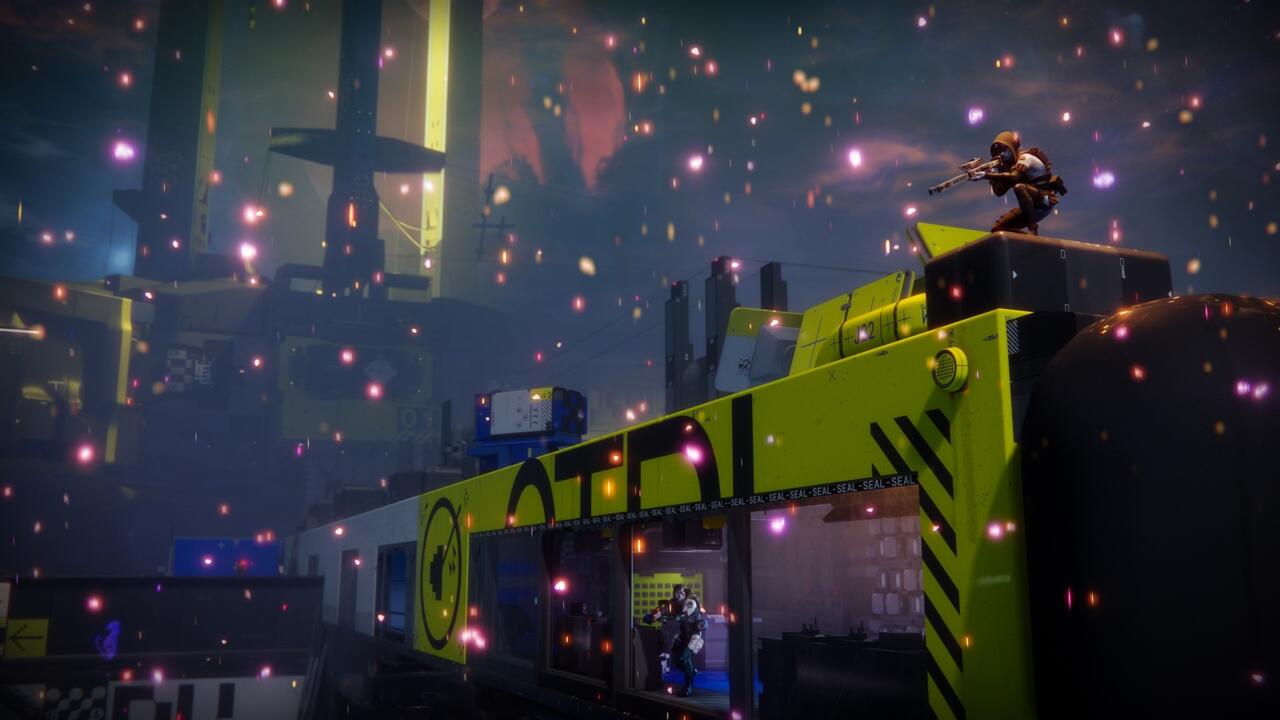
Bungie’s Gunplay Is the Game’s Biggest Strength
As expected from Bungie, the shooting feels excellent. Marathon’s weapons are bulky, stylish, and satisfying to fire. The game uses a bright retro-futuristic design inspired by the original Marathon universe, giving its arsenal a distinct look compared to other sci-fi shooters.
The time-to-kill is fast, which makes every gunfight dangerous. Even starter weapons can be effective if used well, and coordinated teams can drop enemies quickly. This keeps battles intense without making them feel overly long or bullet-spongy.
What makes the weapon system especially strong is its modular loot design. Guns can be upgraded with mods found in the field or purchased through the Armory. Weapon rarity is tied to those mods, meaning almost any gun can become useful with the right setup.
This is a smart approach because it lets players learn how each weapon feels while still giving them room to customize. Instead of constantly replacing guns just because a higher-color item dropped, players can improve weapons they already enjoy. That makes looting feel more practical and less random.
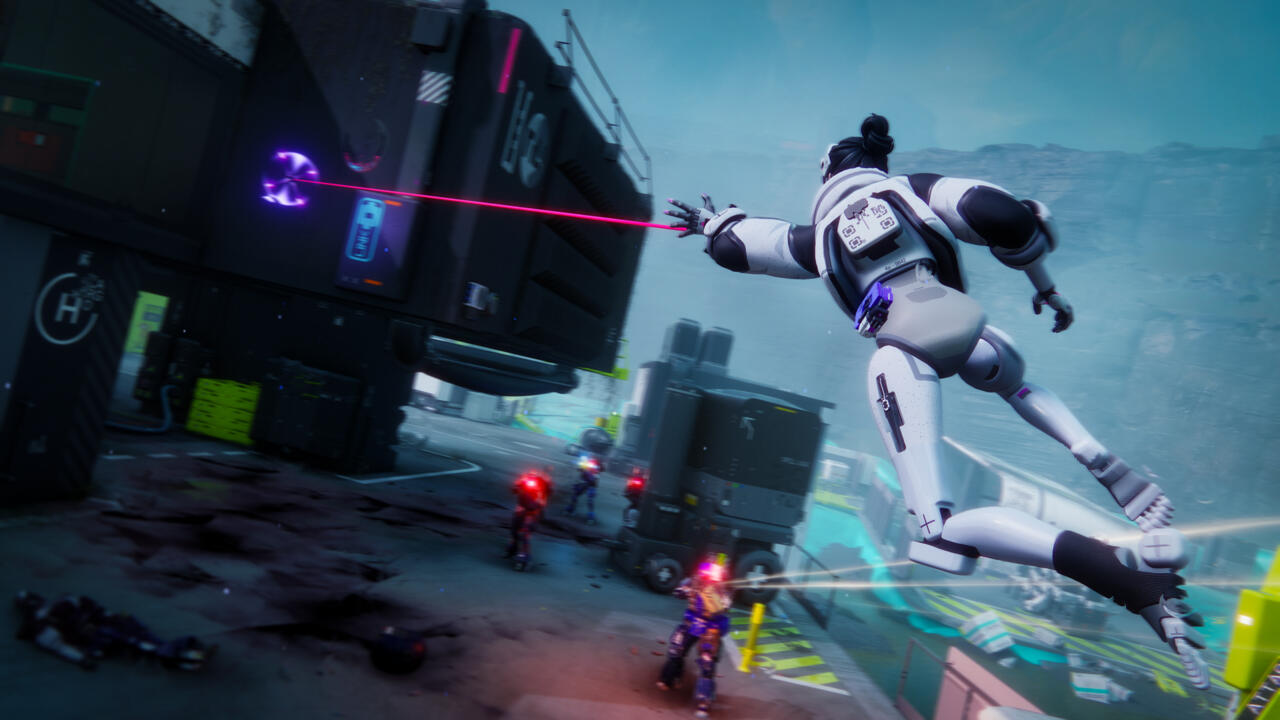
Shells Add Class-Based Strategy
Marathon’s playable classes are called Shells. Each Shell gives players different abilities and a unique role within a squad. Some focus on movement, others on defense, healing, stealth, or heavy offense.
Every Shell has a Tactical ability and a Prime ability. Tactical abilities are smaller tools used more frequently, such as healing drones or temporary energy shields. Prime abilities are more powerful and function like ultimate abilities, but long cooldowns prevent them from dominating every fight.
This balance is important. A Prime ability can change the outcome of a battle, but it cannot replace smart positioning and accurate shooting. For example, turning invisible can help an Assassin flank or escape, while a Destroyer’s missile barrage can punish grouped enemies. But using these abilities poorly can leave you exposed for several minutes.
The Shell system adds variety without overwhelming the core shooter experience. Playing as a mobile Shell feels different from playing a defensive or support-focused one, and team composition can shape how a squad approaches fights, contracts, and extraction.

PvE Enemies Are More Than Background Noise
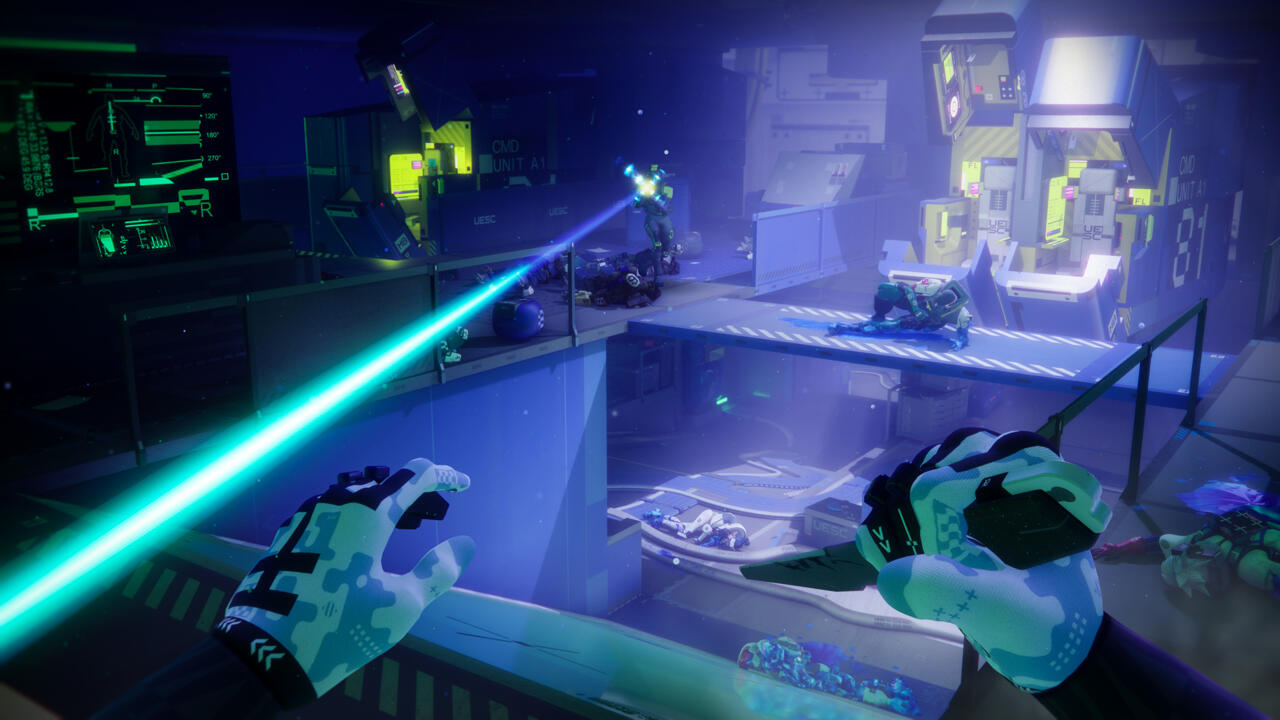
Marathon is not only about fighting other players. The maps are also filled with UESC robots trying to reclaim the abandoned colony. These enemies are not harmless distractions. They can flank, use grenades, turn invisible, and pressure players in ways that feel surprisingly human.
At times, it can be difficult to tell whether you are fighting bots or real players. That uncertainty adds to the tension. A sound in the distance, a sudden shot, or movement near cover can force your team to react instantly.
The PvE threat also creates interesting situations during PvP. A squad fight can become more dangerous when robots join the battle. A contract objective can turn into a chaotic three-way fight between your team, enemy players, and hostile AI. This makes each run feel unpredictable.
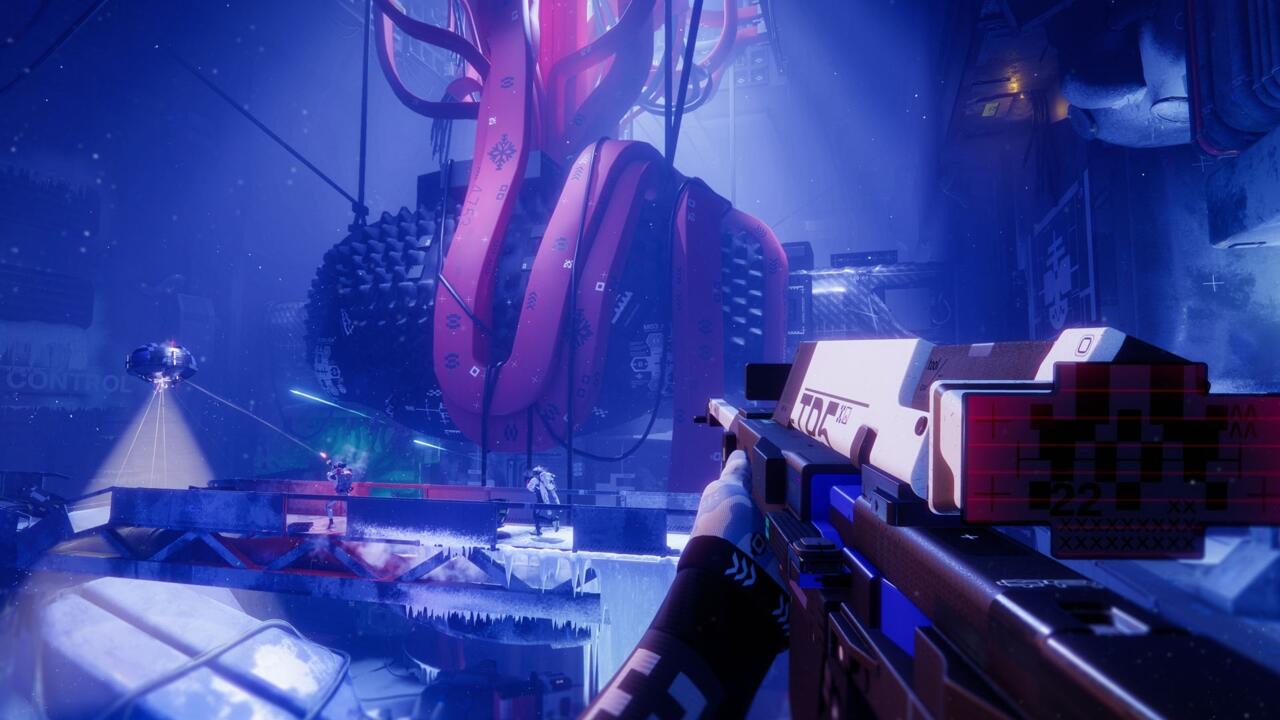
Faction Progression Gives Marathon Long-Term Depth
One of Marathon’s strongest systems is its faction progression. Players work with different corporate factions, each represented by a cold, stylish, and slightly unsettling AI personality. These factions provide contracts, rewards, reputation, and upgrade trees.
Completing contracts is the best way to earn faction reputation, but Marathon also rewards progress through many smaller actions. Looting certain containers, defeating players, extracting with specific items, and surviving missions can all contribute to faction growth.
This system works because it gives players a sense of progress even when a run does not go perfectly. You may fail to extract with your best loot, but still make some faction progress or complete part of a broader goal.
Faction rewards also help soften the pain of losing gear. Leveling up with factions regularly provides care packages filled with useful equipment. That steady stream of loot keeps players from being completely wiped out after a bad streak. Losing still hurts, but Marathon usually gives you enough resources to get back into another run.
The User Interface Can Feel Overwhelming
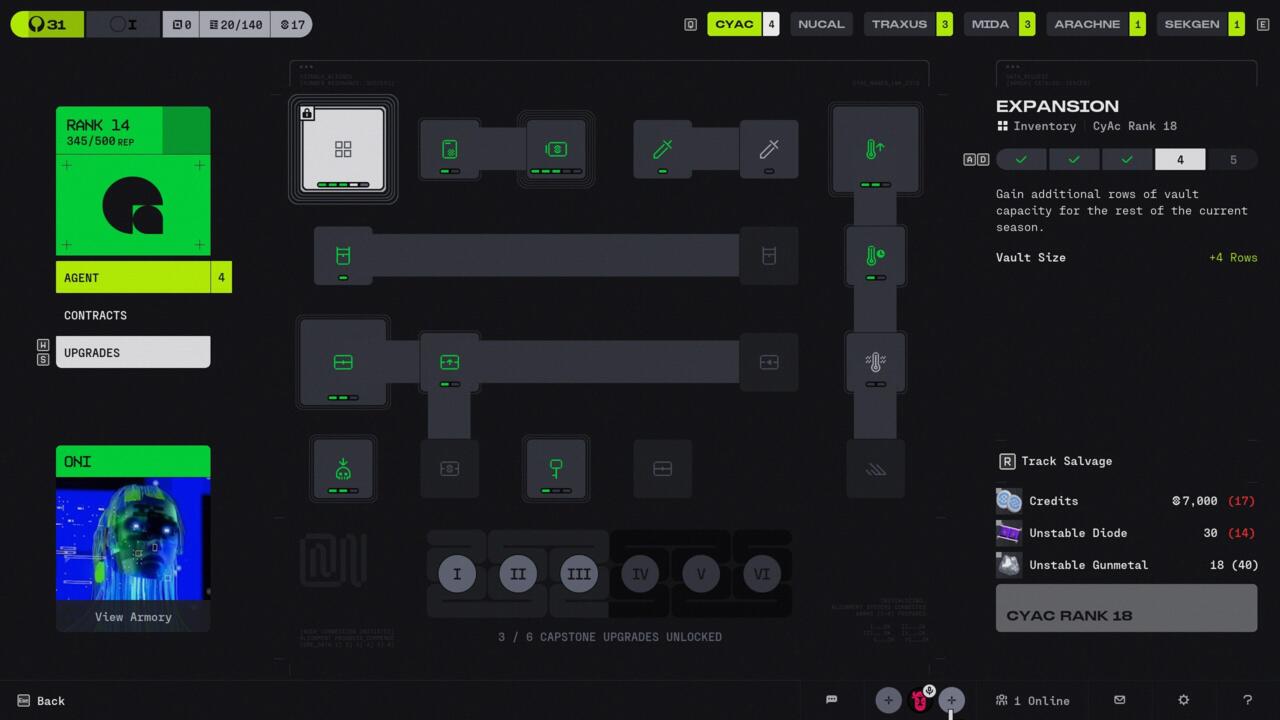
Marathon’s biggest weakness is its user interface. Between matches, players spend a lot of time inside menus. There are menus for inventory, contracts, Shells, cosmetics, faction trees, Armory purchases, lore, and equipment management.
The problem is not that these systems are shallow. In fact, many of them are useful and important. The issue is that the game asks players to absorb a lot at once. New players may spend more time reading item descriptions and sorting gear than actually playing.
Loot items often have specific uses, including healing status effects, upgrading faction trees, tracking enemies, or improving equipment. That depth is welcome, but the interface could do a better job of presenting important information clearly.
Once you understand the layout, the UI becomes easier to manage. Still, Marathon would benefit from cleaner navigation, better item sorting, and clearer explanations for new players.
Endgame Content Shows Marathon’s Potential
Marathon becomes more interesting as players push deeper into its systems. Beyond standard trio matches, Bungie has introduced modes and endgame activities that suggest a strong long-term foundation.
Duos mode offers a slightly different tactical rhythm, making it easier to play with one friend and creating more focused squad fights. Ranked mode gives competitive players a harder environment where stronger gear and sharper tactics matter more.
The standout endgame activity is Cryo Archive, a weekend-only map that requires a higher player level to enter. Cryo Archive increases the PvE challenge with tougher robots, public events, boss fights, puzzles, and higher-value rewards. It feels more ambitious than a standard extraction map and hints at what Marathon could become over time.
This kind of content gives players something to chase beyond basic loot. It also connects Marathon more strongly to Bungie’s older franchise lore, bringing in references and elements from the original 1990s games.
Marathon vs. Arc Raiders
Because both games are modern extraction shooters, Marathon will naturally be compared to Arc Raiders. The two share some genre DNA, but they focus on different experiences.
Arc Raiders tends to feel more social and cooperative, with many players prioritizing environmental challenges and shared objectives. Marathon is more competitive. It places more emphasis on gunplay, squad fights, and fast PvP encounters.
Marathon also has stronger faction presentation and cleaner loot identity. Most items have clear uses in combat or progression, and the faction AIs give the world more personality. Players looking for a more aggressive, shooter-focused extraction game may prefer Marathon, while players who want a more social survival experience may lean toward Arc Raiders.
Frustration Is Part of the Experience
Like any extraction shooter, Marathon can be frustrating. A bad run can cost valuable gear. Several losses in a row can leave you using weaker equipment against better-prepared teams. Playing with random teammates can also make contract progress inconsistent.
The contract system adds another issue: players can only advance one contract at a time. This can make some sessions feel inefficient. You might spend a whole run fighting other squads, only to realize that a different contract would have rewarded you for those kills. Allowing multiple contracts to progress at once would make the game feel more respectful of players’ time.
Even so, the frustration is often followed by the urge to jump back in. That is the extraction shooter loop working as intended. Losing creates disappointment, but it also creates motivation to rebuild, recover, and try again.
Final Verdict: Marathon Has Strong Foundations and Huge Potential
Marathon is a tense, tactical, and deeply engaging extraction shooter. Its gunplay is excellent, its Shells add meaningful class variety, its faction system provides strong long-term progression, and its best matches deliver unforgettable moments of survival and teamwork.
The game is not without problems. The UI can be confusing, the contract system can waste time, and losing streaks can become frustrating. But Marathon’s core is strong enough to keep players coming back. Its battles are fast, its stakes are high, and its world has room to grow.
If Bungie continues improving the experience with new Shells, maps, contracts, enemies, story content, and quality-of-life updates, Marathon could become one of the most important extraction shooters on the market. For now, it is already a compelling choice for players who want a competitive sci-fi shooter built around risk, teamwork, and unforgettable firefights.
Marathon FAQ
What type of game is Marathon?
Marathon is an online extraction shooter with PvPvE gameplay, squad-based combat, loot collection, faction progression, and high-stakes extraction mechanics.
Is Marathon a sequel to Bungie’s original Marathon games?
Marathon is a modern reimagining of Bungie’s classic sci-fi franchise. It includes references and lore connections to the original games while using a new extraction shooter format.
Does Marathon have classes?
Yes. Classes are called Shells. Each Shell has unique abilities that support different playstyles, including movement, healing, defense, stealth, and heavy offense.
Is Marathon more PvP or PvE?
Marathon includes both, but it currently leans more heavily toward competitive PvP. Enemy robots create strong PvE pressure, but rival player squads are usually the biggest threat.
Is Marathon worth playing?
Yes, especially for players who enjoy Bungie gunplay, tactical squad fights, extraction shooter tension, loot progression, and competitive online matches.