Mouse: P.I. For Hire Review – A Stylish Noir Mystery with Bite
Mouse: P.I. For Hire Review: A Stylish Noir Boomer Shooter With Cartoon Chaos
Mouse: P.I. For Hire is not just another retro-inspired first-person shooter. At a time when boomer shooters are everywhere, this game stands out by combining fast arcade gunplay with black-and-white rubber-hose animation, film noir storytelling, jazzy atmosphere, and slapstick violence. It is familiar in structure, but its presentation gives it a personality few shooters can match.
Originally gaining attention as a viral tech demo, Mouse: P.I. For Hire has grown into a full game with far more than visual novelty. Its world is stylish, its combat is quick and satisfying, and its cartoon-inspired details make almost every frame worth looking at. While it does not completely reinvent the retro FPS genre, it gives the formula a distinct identity that makes it feel fresh.
The result is a fast, funny, and visually unforgettable shooter that mixes classic cartoon energy with hardboiled detective fiction. It has a few shortcomings, especially when it comes to its detective mechanics, but its strengths easily outweigh its weaknesses.
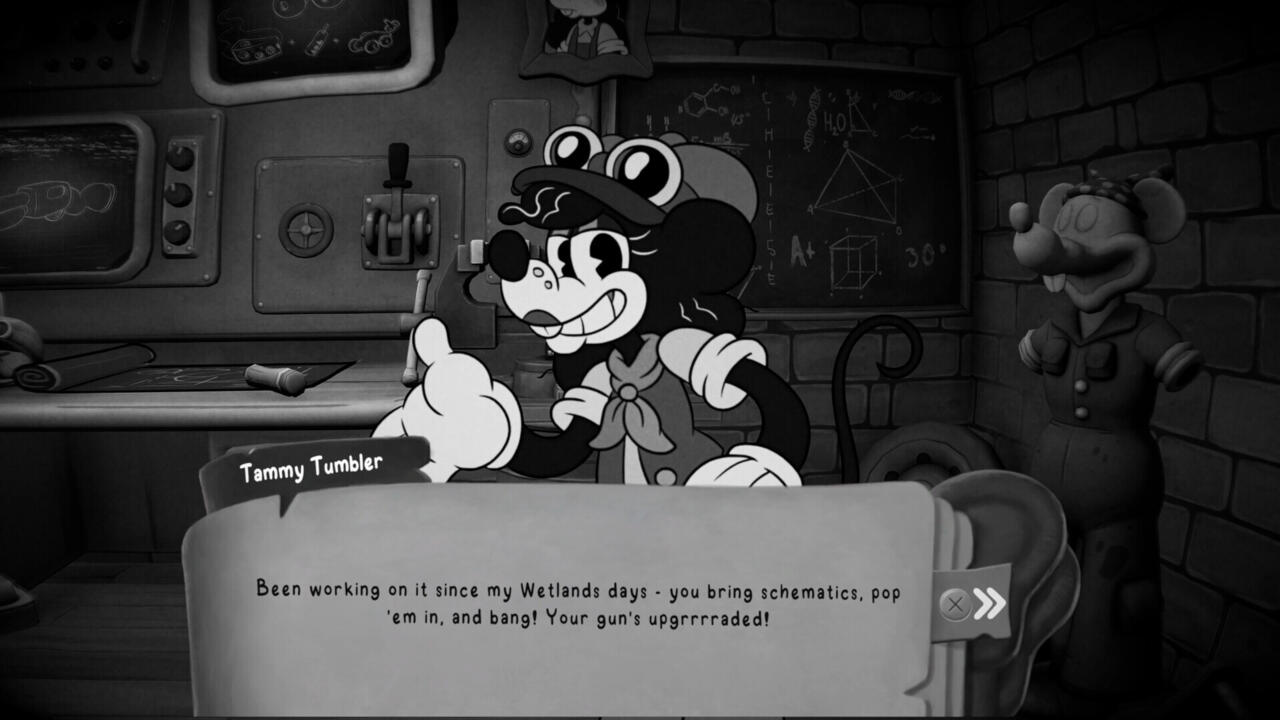
A Noir Detective Story in a Cartoon Mouse City
The game puts players in the role of Jack Pepper, a former war hero turned private investigator. He begins with a missing-person case, but like any good noir story, the situation quickly becomes much larger and more dangerous. The investigation pulls him into a citywide conspiracy filled with corruption, crime, dangerous criminals, and morally questionable characters.
The city of Mouseburg is one of the game’s biggest strengths. It is sleazy, stylish, and full of personality. The story leans into classic noir elements, including femme fatales, crooked officials, shadowy organizations, and a mystery that grows more complicated as Jack digs deeper.
However, Mouse: P.I. For Hire is not a grim or overly serious detective drama. Its tone is playful and self-aware. The writing frequently uses puns, cartoon logic, and genre jokes without turning the entire story into a parody. That balance works well. The noir atmosphere gives the game structure, while the comedy keeps it light and entertaining.
Small world-building details also help Mouseburg feel alive. Hidden newspapers reveal information about worker strikes, political movements, mob bosses, and the city’s troubled history. These collectibles are optional, but they add texture to the setting and reward players who take time to explore.
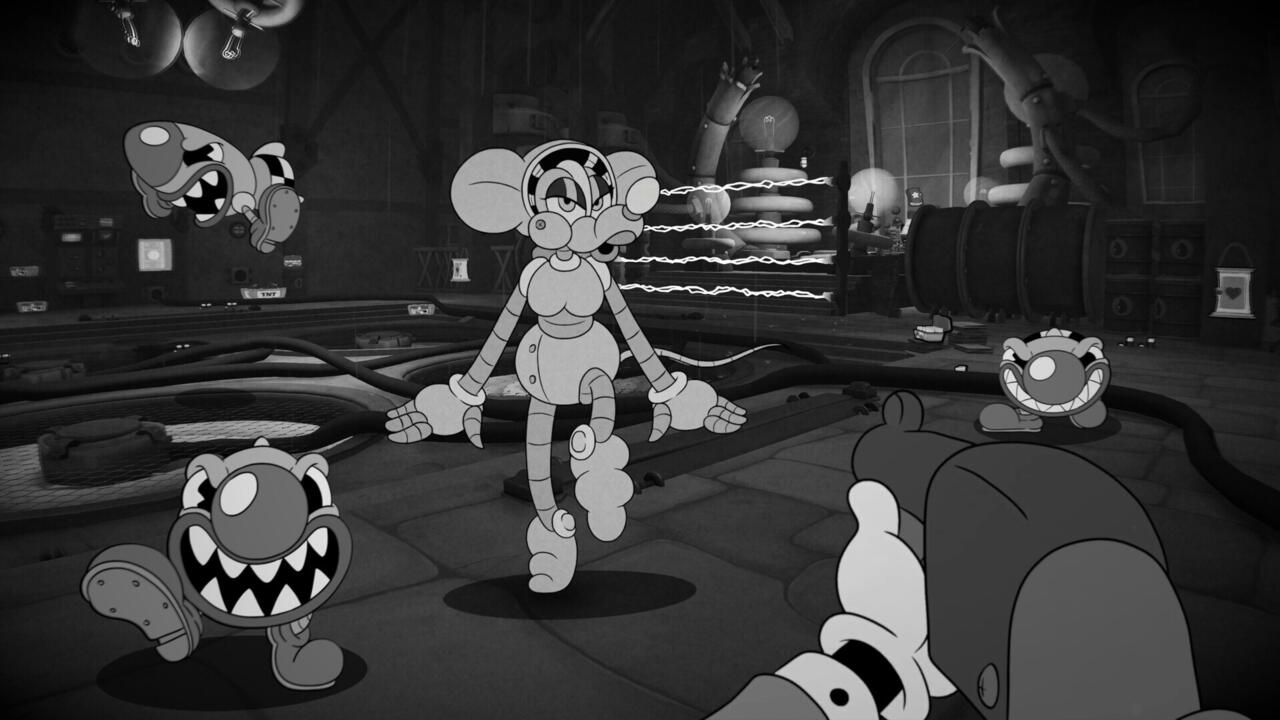
Fast-Paced Combat Inspired by Modern Retro Shooters
At its core, Mouse: P.I. For Hire is a high-speed first-person shooter built around movement, momentum, and aggressive combat. The game clearly takes inspiration from modern retro FPS design, especially the fast mobility and arena-like combat popularized by games such as Doom.
Jack moves quickly, and staying still is rarely a good idea. Players need to strafe around enemy fire, dash away from melee attackers, grab health and ammo pickups, and use the environment to stay alive. The best encounters create a constant rhythm of movement and shooting, where survival depends on reading enemy positions and reacting quickly.
The enemies range from mobsters and crooked cops to cultists and other dangerous figures lurking around Mouseburg. Some rush directly toward Jack with melee weapons, while others attack from range or use shields. This variety forces players to adjust their tactics instead of relying on one weapon or movement pattern for every fight.
The game’s levels also support this combat style. Areas alternate between open spaces and tight corridors, creating different types of encounters. Larger arenas encourage movement and crowd control, while cramped spaces make close-range weapons more dangerous and positioning more important.
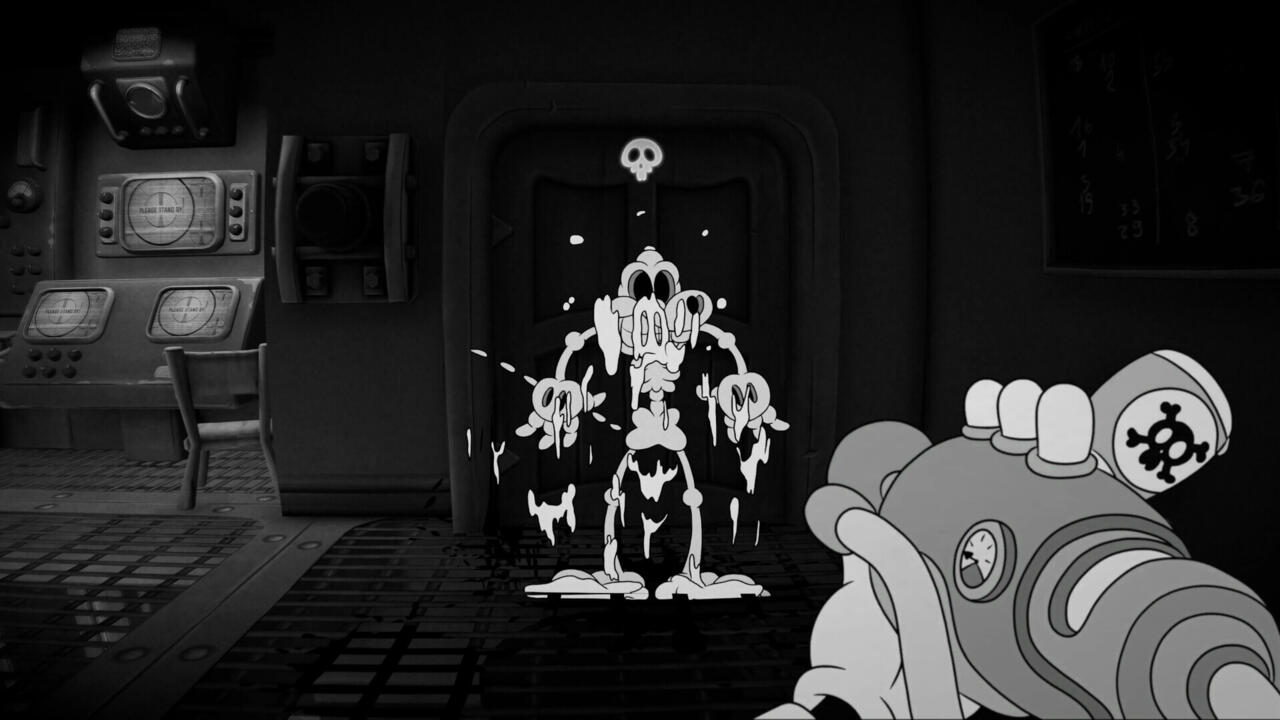
A Creative Arsenal Full of Cartoon Violence
The weapons are one of the most entertaining parts of Mouse: P.I. For Hire. Some guns fit the expected retro shooter lineup, while others feel like they were pulled straight from an old cartoon short. The result is a weapon selection that feels powerful, funny, and thematically perfect.
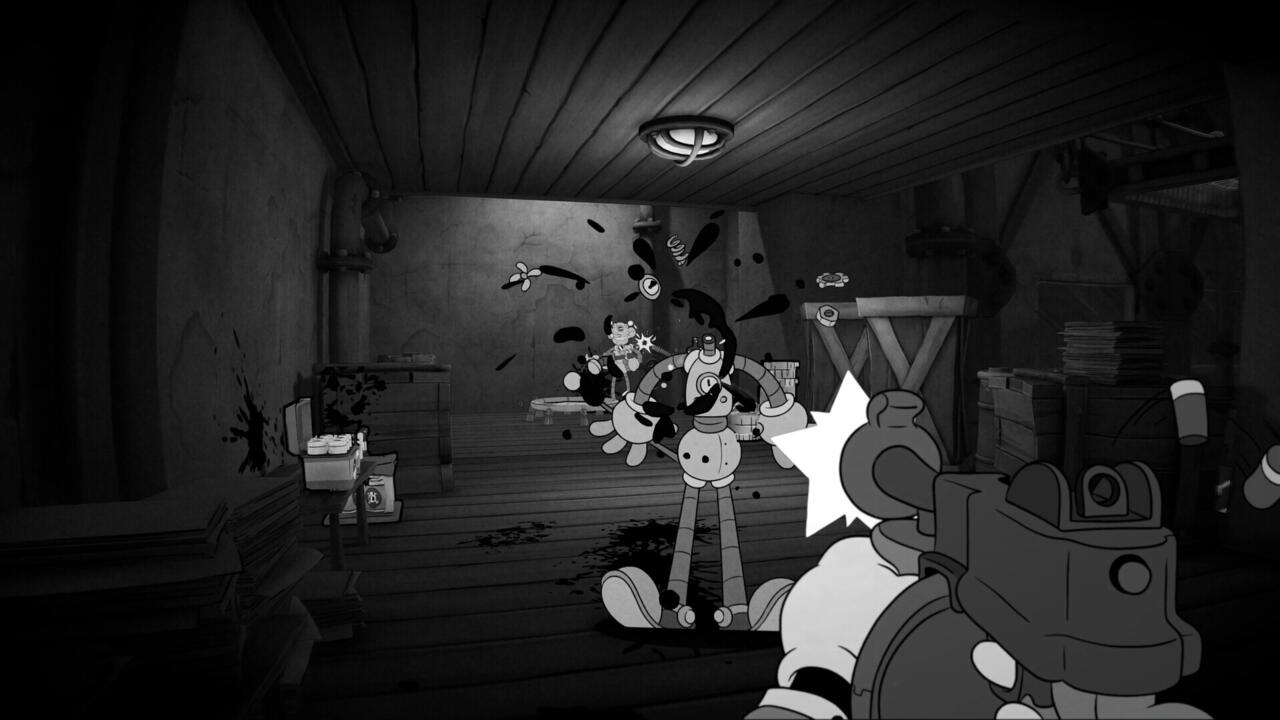
Traditional weapons like shotguns and Tommy Gun-style firearms deliver punchy action. The game’s version of the Tommy Gun, called the James Gun, fits perfectly with the gangster-era aesthetic. It is loud, chaotic, and ideal for mowing down groups of enemies.
Other weapons are more experimental. The Devarnisher, for example, coats enemies in turpentine and strips away their ink until they become rattling skeletons. It is a great example of how the game turns classic cartoon logic into combat design. Instead of simply shooting enemies, players are often creating slapstick destruction.
Environmental hazards add even more personality. Explosive barrels can be thrown to ignite groups of enemies. Oversized anvils and grand pianos hang from ceilings, inviting players to flatten enemies in classic cartoon fashion. These details make combat feel more playful than a standard shooter, even when the action is intense.
The violence is exaggerated rather than realistic. Heads pop, enemies burn into soot, skeletons rattle, and chaos fills the screen. It is brutal in a cartoon way, which helps the game maintain its humorous identity even during its most frantic shootouts.
The Detective Mechanics Could Have Been Stronger
The biggest disappointment in Mouse: P.I. For Hire is its investigative side. The story presents Jack Pepper as a private detective, and the game includes clues, evidence, and a corkboard-style investigation system. Unfortunately, these elements are mostly automated.
Players collect clues, and the game handles most of the process of connecting them. This makes the detective work feel more like background decoration than a real mechanic. It would have been more satisfying if players could manually link evidence, make deductions, or influence the investigation in meaningful ways.
This does not ruin the game, because the shooting, movement, world design, and presentation are strong enough to carry the experience. Still, the detective theme is such a central part of the game’s identity that it feels like a missed opportunity. A deeper investigation system could have made Mouse: P.I. For Hire more than a stylish shooter and helped it stand out even more.
Exploration, Secrets, and Collectibles Add Replay Value
The levels in Mouse: P.I. For Hire reward players who look beyond the main path. Secret areas are hidden behind vents, optional platforming challenges, and clever environmental details. These secrets often contain collectibles such as newspapers, comic-book pages, and baseball cards.
The baseball cards are especially interesting because they tie into the game’s tabletop baseball minigame. It is not deep enough to compete with the best in-game card or board games, but it adds a fun diversion between missions. For players who enjoy side activities, it gives the world more flavor and makes collectibles feel more meaningful.
The game also includes a progression system for Jack himself. Players can improve weapon damage, increase ammo capacity, and unlock alternate fire modes. Traversal abilities such as double jump and wall running are introduced over time, helping the gameplay stay fresh across the campaign.
Some abilities are used more heavily when they are first introduced and then become less important later. Even so, the steady stream of upgrades gives players a sense of growth and keeps the action from becoming repetitive too quickly.
The Art Style Is the Real Star
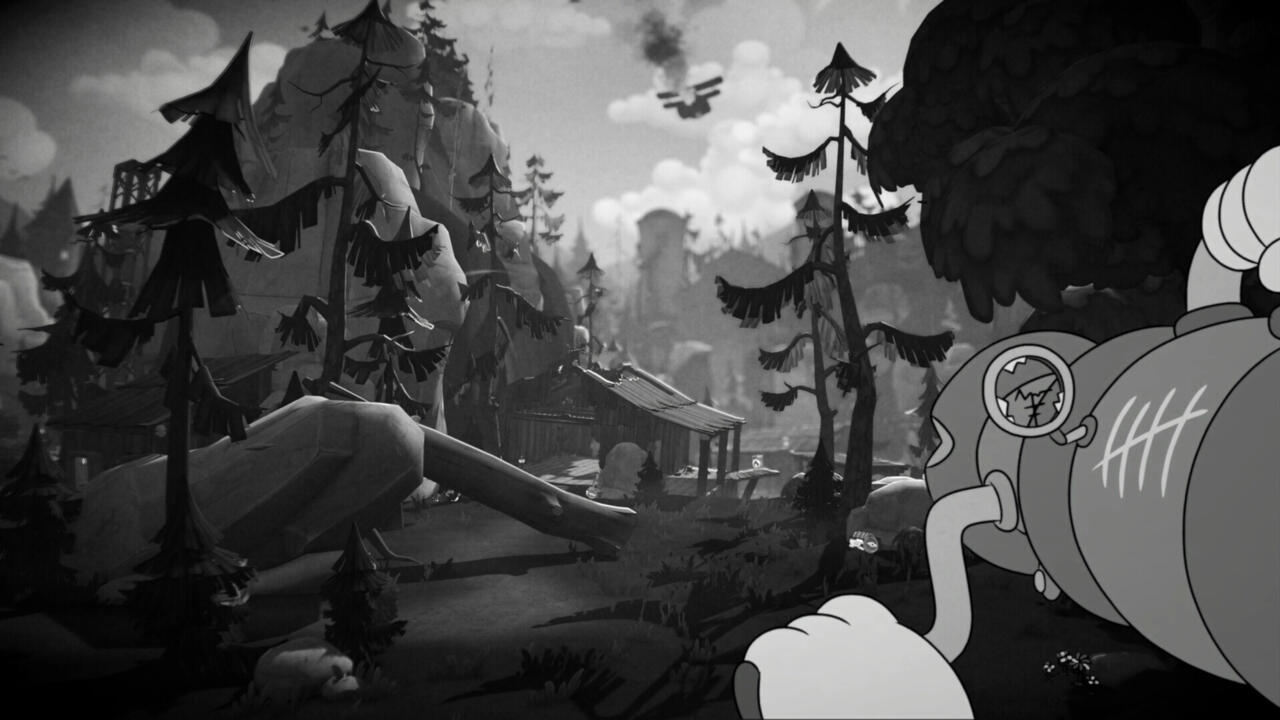
The strongest reason to play Mouse: P.I. For Hire is its incredible visual style. Every frame is built around the look of classic rubber-hose animation from the 1920s and 1930s. The black-and-white presentation, thick ink outlines, elastic character movement, and exaggerated expressions give the game a look that immediately stands apart from other shooters.
The animation style is not just cosmetic. It affects the personality of the entire game. Characters bounce, weapons move with cartoon energy, and important objects stand out with a lively sense of motion. The environments use softer matte backgrounds, allowing characters and interactive items to pop on screen.
The small details are just as impressive as the big ones. Ammo counters use animated bullet characters that react differently depending on the weapon. Reload animations are full of personality, whether Jack is stuffing shells into a shotgun or handling one of the game’s stranger weapons. Even simple actions feel entertaining because the animation is so carefully crafted.
The game’s visual identity naturally invites comparisons to Cuphead, but Mouse: P.I. For Hire uses its cartoon influence in a different genre. Instead of a boss-rush run-and-gun game, this is a noir FPS with fast movement and violent cartoon humor. That combination gives it a unique place in the current indie shooter scene.
Music and Voice Acting Complete the Noir Atmosphere
The presentation is strengthened by a strong voice cast and an original big band jazz soundtrack. Jack Pepper’s performance captures the sarcastic, hardboiled tone of classic noir detectives while still leaving room for comedy. The voice work helps sell the game’s unusual blend of serious detective fiction and cartoon absurdity.
The soundtrack is equally important. The jazz music fits the era, supports the noir mood, and gives Mouseburg a stronger sense of place. Combined with the black-and-white visuals, it makes the game feel like a playable detective cartoon from another era.
Final Verdict: A Stylish Shooter Worth Playing
Mouse: P.I. For Hire is a stylish, energetic, and highly memorable retro FPS. It may not redefine the boomer shooter genre, but it gives the formula a visual identity and sense of humor that make it stand out. The combat is fast, the weapons are creative, the levels are enjoyable to explore, and the hand-drawn art style is consistently impressive.
The detective mechanics could have been deeper, and a few traversal abilities feel underused after their introduction. However, those issues are minor compared to what the game does well. Its cartoon violence, noir storytelling, jazzy soundtrack, and sharp presentation create an experience that is easy to recommend.
For fans of retro shooters, stylish indie games, film noir, or rubber-hose animation, Mouse: P.I. For Hire is absolutely worth keeping on your radar. It is charming, chaotic, and confident in its identity. Most importantly, it proves that even in a crowded shooter market, a strong sense of style can still make a game feel fresh.
Mouse: P.I. For Hire FAQ
What kind of game is Mouse: P.I. For Hire?
Mouse: P.I. For Hire is a retro-style first-person shooter with fast movement, arcade combat, noir storytelling, and a black-and-white rubber-hose cartoon art style.
Is Mouse: P.I. For Hire a boomer shooter?
Yes. It fits the boomer shooter style with fast-paced combat, creative weapons, level exploration, secrets, pickups, and aggressive enemy encounters.
What makes Mouse: P.I. For Hire unique?
The game stands out because it combines retro FPS action with 1920s and 1930s cartoon visuals, film noir themes, slapstick violence, and a jazz-inspired soundtrack.
Does Mouse: P.I. For Hire have detective gameplay?
The game includes clues and investigation elements, but the detective mechanics are mostly automated. The main gameplay focus is fast first-person shooting.
Who should play Mouse: P.I. For Hire?
Players who enjoy retro FPS games, stylish indie shooters, cartoon-inspired visuals, noir stories, and fast arcade combat will likely enjoy Mouse: P.I. For Hire.