Unpacking the Unlikely Comparison: Garfield Kart 2, Silksong, and the Nuances of Game Market Segmentation








Popular Now
Geometry Dash
 Auto X Drift Racing 3
 Roblox
 FIFA 23
 League of Legends
 Minecraft
 Genshin Impact
 Fortnite
 Grand Theft Auto V
 Brawl Stars
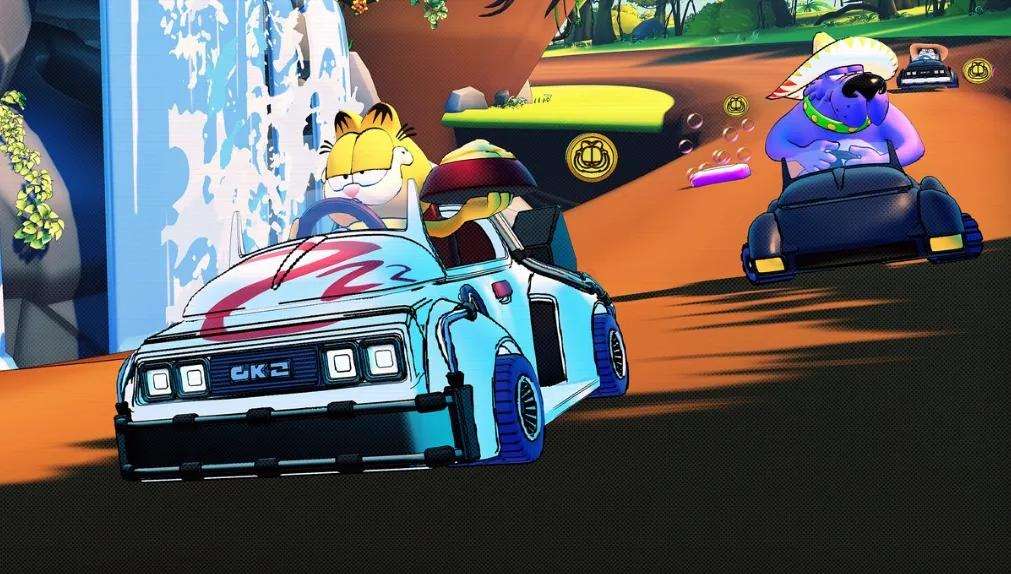 The gaming world is a vast and varied landscape, teeming with titles that cater to every imaginable preference, skill level, and demographic. From hyper-realistic simulations to whimsical arcade experiences, the industry thrives on this diversity. Occasionally, a seemingly absurd juxtaposition emerges in player discussions or online discourse—a comparison so disparate it initially evokes a sense of bewilderment. One such instance is the notion of pitting a casual kart racer like Garfield Kart 2 (or Garfield Kart – Furious Racing, its official title) against a critically anticipated, deep Metroidvania like Hollow Knight: Silksong. While the immediate reaction might be a dismissive, ‘Who cares?’ this very divergence offers a profound opportunity to dissect the intricate nuances of game market segmentation, player expectations, and the varied metrics of success within the modern video game industry.
This article aims to transcend the surface-level absurdity of such a comparison. Instead, we will leverage this stark contrast to explore the distinct market segments these games occupy, the vastly different development philosophies that shape them, and ultimately, why their perceived ‘competition’ is a misnomer, highlighting the robust health of a multifaceted gaming ecosystem where both genres—and many more—can flourish.
 The Contenders: Defining Two Gaming Paradigms
To understand why this comparison is fundamentally flawed yet intellectually stimulating, we must first define the core identity of each game, even with the limited official details on Silksong:
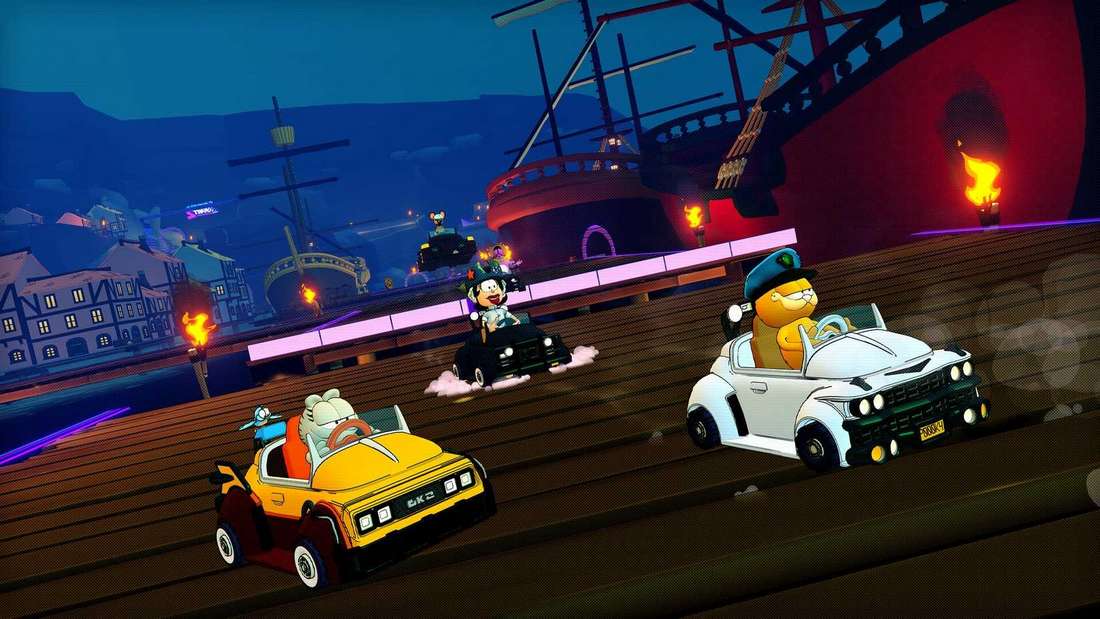
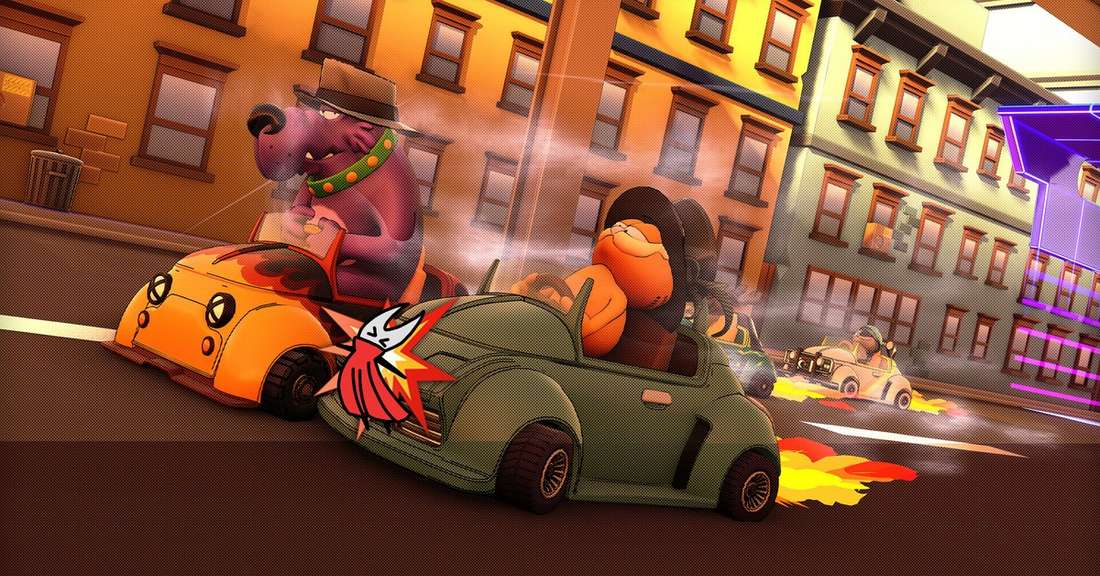
- Garfield Kart 2 (Garfield Kart – Furious Racing): This title represents the epitome of accessible, family-friendly kart racing. Featuring beloved characters from the Garfield universe, it prioritizes immediate fun, simple controls, and a lighthearted atmosphere. Its appeal lies in its brand recognition, multiplayer accessibility, and lack of punitive difficulty. It targets casual gamers, younger audiences, and families looking for shared entertainment. The monetization strategy often involves a lower price point, aiming for volume sales across multiple platforms, appealing to a broad demographic rather than a niche hardcore segment.
- Hollow Knight: Silksong: The successor to the critically acclaimed Hollow Knight, Silksong is perhaps one of the most anticipated indie game releases in recent memory. It promises a sprawling, meticulously crafted Metroidvania world, challenging combat, intricate lore, and a deep sense of exploration. Team Cherry, the developer, is known for its commitment to artistic vision and challenging, rewarding gameplay. Silksong targets a highly engaged, dedicated audience of platformer and action-adventure enthusiasts who crave depth, challenge, and a significant time investment. Its success hinges on critical reception, community word-of-mouth, and a willingness from players to invest deeply in a premium, polished experience. The return on investment for indie titles of this caliber often stems from a loyal fanbase and sustained sales over a long period.
The inherent design goals, artistic direction, and target demographics of these two titles are worlds apart, making any direct competitive analysis akin to comparing a Formula 1 car to a city bus; both are vehicles, but their purpose, design, and user experience are entirely different.
Divergent Audiences and Market Segmentation in Gaming
One of the most critical aspects of the video game industry is its sophisticated market segmentation. Publishers and developers strategically design games to appeal to specific groups, recognizing that a one-size-fits-all approach is rarely effective. This is where the Garfield Kart vs. Silksong debate truly illuminates industry dynamics:
- Casual vs. Hardcore Gaming: Garfield Kart firmly occupies the casual gaming segment. These players may not game frequently, seek low barriers to entry, and prioritize relaxation and social interaction over complex mechanics or intense challenges. High-CPC keywords in this space might relate to ‘family-friendly games,’ ‘party games,’ or ‘easy to learn video games.’ Silksong, conversely, caters to the hardcore segment. These players often invest significant time, demand depth, challenge, and a high degree of mastery. They follow game news closely and value innovation and narrative complexity. Relevant keywords here include ‘best Metroidvania games,’ ‘challenging platformers,’ or ‘deep RPG experiences.’
- Brand Loyalty vs. Genre Loyalty: Garfield Kart leverages existing brand loyalty to a beloved character, drawing in fans who may not be avid gamers but appreciate the IP. Silksong, on the other hand, builds on profound genre loyalty and the established legacy of its predecessor. Players are drawn not just by the ‘Hollow Knight’ name, but by the promise of a meticulously crafted Metroidvania experience. This distinction is crucial for understanding consumer spending habits and marketing strategies.
- Accessibility vs. Depth: The intuitive controls and straightforward objectives of Garfield Kart ensure maximum accessibility. Anyone can pick up a controller and enjoy it. Silksong, while accessible in its fundamental mechanics, demands patience, skill development, and an appreciation for intricate world-building and challenging boss encounters. This depth is its primary allure, but it naturally limits its broad appeal to a specific, albeit passionate, niche.
Understanding these fundamental differences in target audience helps explain why both games can be commercially successful without ever truly competing for the same dollar or the same player’s attention. Each carves out its own valuable space within the broader global gaming market.
 Development Philosophies and Economic Realities
The stark contrast in development methodologies and economic models is another vital lens through which to view these games. These factors significantly influence the final product and its market positioning.
- Budget and Team Size: While exact figures are often proprietary, it’s safe to assume that a licensed kart racer like Garfield Kart operates within a more constrained development budget and likely with a smaller, more focused team aiming for efficiency and adherence to brand guidelines. Its success model often relies on quick development cycles and leveraging existing intellectual property. Indie titles like Silksong, while not boasting AAA budgets, represent a significant financial and creative investment from a highly dedicated (and often small) team. The success of the original Hollow Knight has undoubtedly provided a more substantial budget for Silksong, allowing for greater scope and refinement, but it remains distinct from large-scale corporate ventures. Understanding indie game development trends is key here.
- Creative Vision vs. Market Deliverables: Team Cherry’s approach to Silksong is driven by a strong creative vision, building upon the artistic and mechanical foundations of its predecessor. The focus is on expanding the lore, refining gameplay, and delivering a truly unique experience that resonates deeply with its existing fanbase. For licensed titles such as Garfield Kart, while creative input exists, there’s often a greater emphasis on delivering a product that meets market expectations for a specific genre and IP, often within tighter deadlines. This distinction affects everything from art direction to gameplay mechanics and content updates.
- Hype Cycles and Community Engagement: Silksong benefits from an almost unprecedented level of sustained hype, fueled by a passionate community and a legacy of excellence. Every snippet of information, every potential release window update, generates significant media attention and player discourse. This organic marketing is invaluable. Garfield Kart, while enjoying brand recognition, doesn’t typically cultivate the same level of intense, anticipatory hype. Its marketing relies more on direct advertising and visibility on digital storefronts, targeting a broader, less engaged audience. Player engagement strategies differ wildly between these models.
The economic models, driven by these development philosophies, dictate entirely different definitions of success. A Garfield Kart title might be considered successful if it sells well to its target demographic at a modest price, generating a steady revenue stream without the need for critical ‘masterpiece’ status. Silksong’s success, on the other hand, will be measured not just by sales but by critical acclaim, its impact on the Metroidvania genre, and its ability to satisfy years of intense player anticipation, solidifying its place as a landmark title in gaming history.
The Illusion of Competition: Why Both Thrive
The initial prompt, questioning if Garfield Kart 2 can ‘compete’ with Hollow Knight: Silksong, reveals a common misconception about the dynamic nature of the gaming market. True competition typically occurs between products vying for the same slice of the consumer pie. For example, Mario Kart competes with Crash Team Racing, and Bloodborne competes with Sekiro. Garfield Kart and Silksong, however, are operating in different culinary establishments entirely—one is a delightful, accessible snack bar, the other a critically acclaimed, high-end restaurant.
- No Direct Overlap: The core player base for Garfield Kart is unlikely to be waiting with bated breath for Silksong, and vice versa. There might be individuals who enjoy both, but their reasons for engaging with each game are entirely distinct. The consumer electronics market for gaming is large enough to accommodate vastly different preferences.
- Different Purchase Motivations: A consumer buying Garfield Kart might be seeking a quick, casual game for a family game night, or a gift for a younger gamer. The decision is often driven by accessibility, brand familiarity, and price. A consumer purchasing Silksong is likely motivated by a desire for a challenging, immersive experience, a follow-up to a beloved game, and a deep appreciation for sophisticated game design. The game review metrics for each title would reflect these different motivations.
- Indicators of Industry Health: The fact that both types of games can exist, be developed, and find their respective audiences speaks volumes about the health and maturity of the video game industry. It showcases a marketplace diverse enough to support both mass-market appeal and niche, artistic endeavors. This diversity drives innovation and ensures that a wide array of player preferences are met, leading to increased player retention across different segments.
Therefore, the question of competition is moot. Neither game threatens the other’s market share because they are not vying for the same share. Instead, they collectively contribute to a vibrant, multi-layered industry that caters to an incredibly broad spectrum of player desires and preferences. This perspective is vital for any comprehensive gaming industry analysis.
Conclusion: Celebrating Gaming’s Rich Tapestry
To ask if Garfield Kart 2 can compete with Hollow Knight: Silksong is to fundamentally misunderstand the expansive and multifaceted nature of the video game market. These two titles, despite both being interactive entertainment products, exist in entirely different universes of player expectation, development philosophy, and market appeal. Garfield Kart offers lighthearted, accessible fun for a broad, casual audience, leveraging established IP for widespread appeal. Hollow Knight: Silksong promises a deep, challenging, and artistically profound experience for a dedicated, engaged segment of hardcore gamers, building on a legacy of critical acclaim.
Far from being competitors, these games represent the vibrant diversity that defines modern gaming. They demonstrate that success is not a singular, monolithic concept, but rather a spectrum determined by genre, target audience, and strategic objectives. The ability of the industry to foster and sustain such divergent products is a testament to its innovation, its adaptability, and its capacity to deliver unique value propositions to every kind of player. The dismissal of the comparison as ‘who cares?’ is apt in its assertion that there is no real rivalry; instead, it underscores a crucial truth: in gaming’s rich tapestry, there is more than enough room for every thread, no matter how different they may seem.