The Battle of Polytopia Reworks Fan-Favorite Cymanti Tribe: A Deep Dive into Strategic Shifts and Meta Impact










Popular Now
 FIFA 23
 Call of Duty
 Among Us
 Fortnite
 Fall Guys
 God of War Ragnarök
 League of Legends
 CarX Street
 Minecraft
 Gacha Club
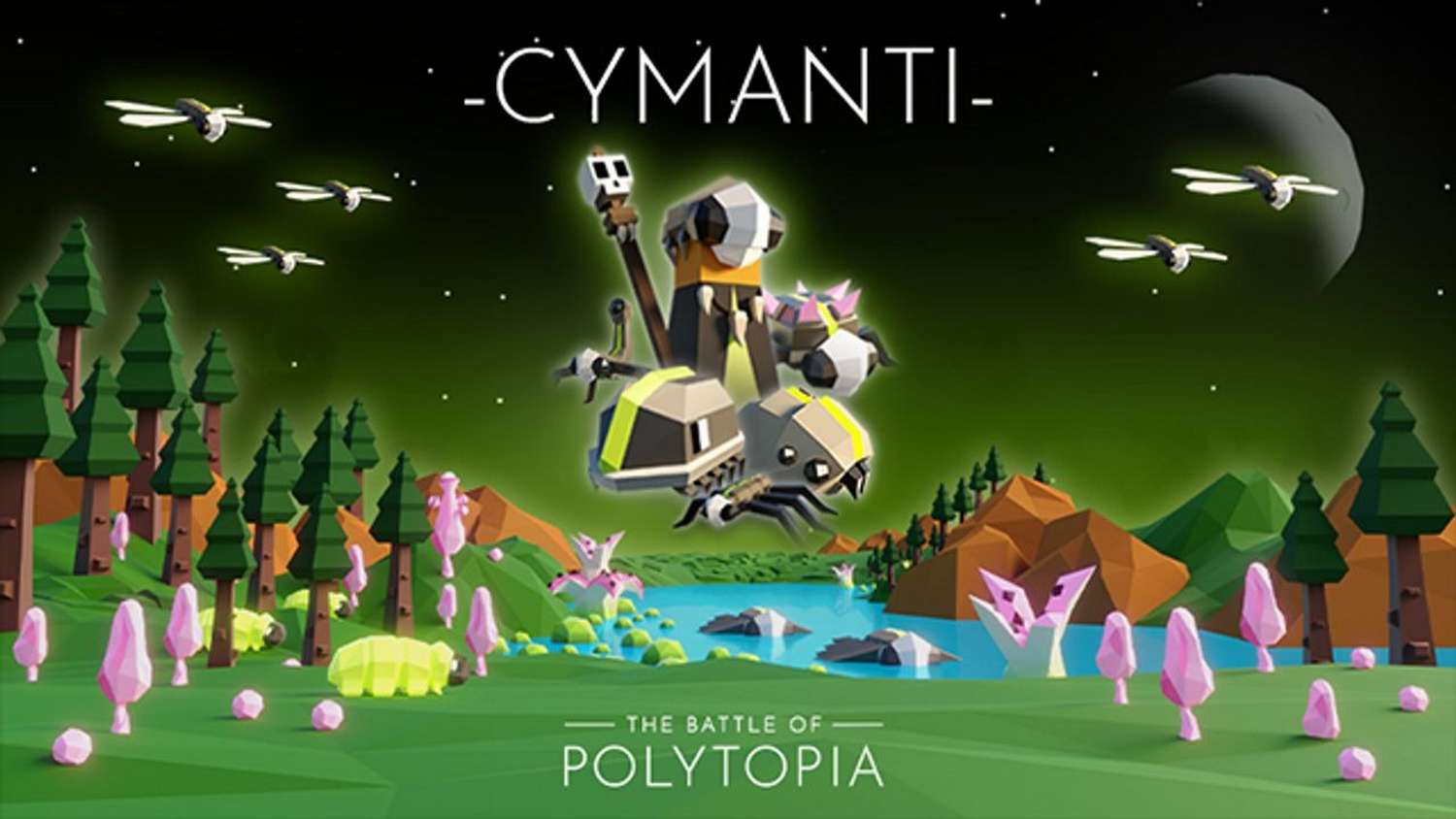 Major Overhaul to Cymanti Tribe Reshapes The Battle of Polytopia Meta
Midjiwan AB, the developers behind the highly acclaimed turn-based strategy game, The Battle of Polytopia, have recently rolled out a significant rework to the popular Cymanti tribe. This update, eagerly anticipated by the game’s dedicated community, promises to fundamentally alter strategic approaches and inject fresh vitality into the competitive landscape. Known for their unique fungal economy and poisonous units, the Cymanti have long been a force to be reckoned with, and these sweeping changes are poised to redefine their role in the Polytopian conflict.
The Battle of Polytopia has consistently maintained its position as a leading mobile strategy game due to its accessible yet deep gameplay, pixel-art charm, and regular content updates. The game’s intricate balance of diverse tribes, each with distinct units, technologies, and playstyles, is its core appeal. Tribal reworks are not new to Polytopia, but the scale and potential impact of the Cymanti adjustments suggest a deliberate effort to address long-standing balance concerns while fostering new tactical opportunities for both Cymanti players and their adversaries.
Understanding the Cymanti: A Fungal Powerhouse Pre-Rework
Before delving into the specifics of the rework, it’s crucial to understand what made the Cymanti tribe so distinctive and, at times, dominant. The Cymanti tribe diverges significantly from standard Polytopian resource management. Instead of focusing on forests for lumber or mountains for mines, they cultivate fungus. Their unique technology tree allows them to spread fungus across the map, converting standard terrain into resource-generating tiles. This mechanic provided a distinct economic advantage, particularly in maps with abundant forests or open spaces that could quickly be terraformed. Furthermore, their units, primarily toxic in nature, applied a devastating poison effect, weakening enemies over time and often securing multi-turn advantages in engagements. Key units like the Exida, a resilient defensive unit that spreads fungus, and the Centipede, a high-damage unit that spawns segments upon destruction, were central to their aggressive early and mid-game pushes.
The tribe’s unique playstyle often revolved around early expansion, leveraging their ability to generate stars from fungus and overwhelming opponents with poison-infused attacks. Their lack of defensive walls was offset by the threat of their units and the ability to quickly establish an economic foothold. This aggressive, fungal-spreading strategy made them a fan-favorite for players who enjoyed dictating the pace of the game and exploiting unique mechanics.

The Core Changes: What’s New for Cymanti?
The recent rework touches upon several fundamental aspects of the Cymanti tribe, from their economic engine to the stats and abilities of their iconic units. While the full patch notes detail every nuance, some of the most impactful changes include:
- Fungus Economy Rebalance: The star generation from fungus tiles has seen an adjustment. While still a viable economic path, the rate at which fungus converts to stars might be slightly reduced, or perhaps the cost of spreading fungus units has increased. This aims to temper Cymanti’s potential for rapid early-game economic dominance, encouraging a more measured approach to expansion.
- Exida Rework: The Exida, a cornerstone of Cymanti’s defense and fungal spread, has received attention. Its combat statistics – attack, defense, and health – might be subtly tweaked to make it either more resilient or more vulnerable, depending on the specific balancing goals. More significantly, its ability to generate adjacent fungus could be on a cooldown, or the cost to produce them might have increased, influencing how quickly Cymanti can terraform the map.
- Centipede Adjustments: The Centipede, a powerful offensive unit, has been a subject of many discussions. Changes here could involve its base damage, health, or, critically, how its segments behave upon destruction. Perhaps fewer segments spawn, or they have reduced combat effectiveness, making the Centipede less of a self-sustaining offensive juggernaut and requiring more strategic support.
- Toxipedes and Phychi Rebalancing: Smaller units like the Toxipedes (melee poison units) and Phychi (ranged flying poison units) may have had their production costs or combat stats re-evaluated. These changes, while seemingly minor, can significantly impact early-game skirmishes and unit trade efficiency.
- New Strategic Tech Options: There’s speculation about new or revised technology options within the Cymanti tree. This could introduce new units or abilities that offer different strategic avenues, moving beyond the traditional fungus-and-poison approach and encouraging players to adapt to a broader range of tactics.
Strategic Implications and Expected Meta Shifts
These changes are far from cosmetic; they carry profound strategic implications for all players of The Battle of Polytopia. For existing Cymanti mains, the learning curve will involve adapting to a potentially slower economic start and rethinking established unit compositions and engagement strategies. The days of simply spamming Exida to terraform vast swathes of the map might be over, requiring more deliberate placement and protection of fungal growth.
Opponents of Cymanti will also need to adjust. If their economic advantage is reined in, other tribes might find more breathing room in the early game. Counter-strategies against the Centipede could become more effective if its segment generation is less overwhelming. The update fosters a more dynamic environment where scouting and adapting to the evolving Cymanti strategy will be paramount.
The rework could also encourage a shift in the overall competitive meta. Tribes that previously struggled against Cymanti’s aggressive expansion might now have better chances, leading to a wider variety of viable tribe selections in competitive play. This fosters a healthier game ecosystem where no single tribe feels perpetually dominant or underpowered.
Community Reaction and Developer Intent
Initial reactions from the Polytopia community have been a mix of apprehension and excitement. Long-time Cymanti players are naturally cautious about changes to their favored tribe, but many also acknowledge the need for balance adjustments to keep the game fresh and engaging. Forums and social media are abuzz with players experimenting with new builds and discussing optimal strategies, highlighting the vibrant engagement that Midjiwan AB consistently fosters.
From a developer’s perspective, such reworks are crucial for the longevity of a strategy game. The Battle of Polytopia has thrived on its commitment to balance and player experience. These changes likely stem from extensive data analysis and community feedback, aimed at refining gameplay, preventing meta stagnation, and ensuring that every tribe offers a unique, balanced, and enjoyable challenge. It’s a delicate act of balancing power without stripping a tribe of its core identity, and Midjiwan AB has a strong track record in this regard.
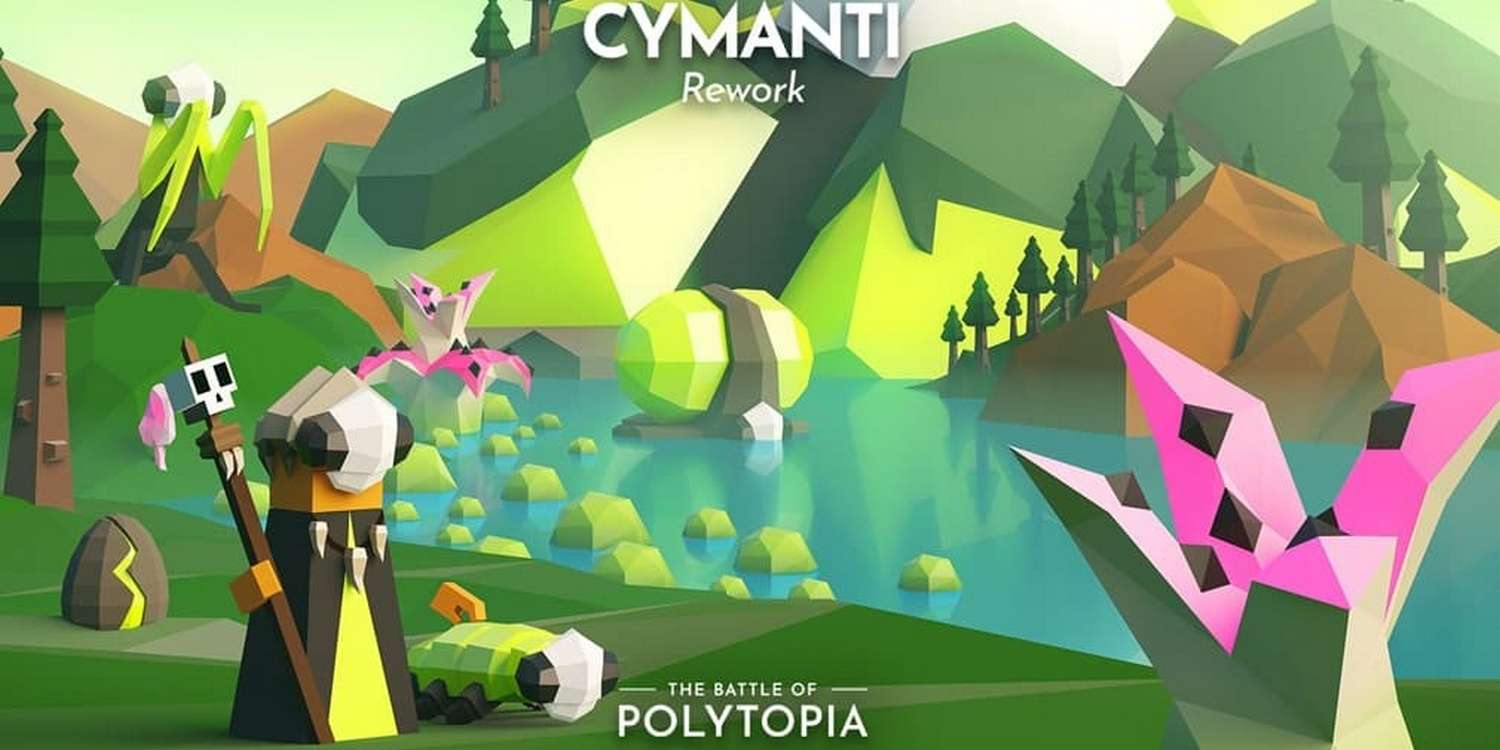
Looking Ahead: The Evolving World of Polytopia
The Cymanti rework is more than just a patch; it’s a testament to The Battle of Polytopia’s continuous evolution. As players delve deeper into the new mechanics, new optimal strategies will undoubtedly emerge, creating a rich tapestry of competitive play. The mobile strategy game market is incredibly competitive, and timely, impactful updates like this are essential for retaining player interest and attracting new audiences. For those seeking a deep, engaging, and constantly evolving turn-based strategy experience, The Battle of Polytopia continues to deliver, proving why it remains a top contender in its genre.
Players are encouraged to jump back into the Polytopian battlefields, experiment with the revised Cymanti tribe, and discover how these significant changes will shape the future of their favorite strategy game. The strategic depth of Polytopia truly shines when the community adapts to new challenges, ensuring that every match remains a unique test of wit and tactical prowess.