Exclusive Opportunities: How Select Metroid Prime 4: Beyond Fans Might Experience Early Gameplay (With a Significant Catch)










Popular Now
 League of Legends
 Genshin Impact
 Garena Free Fire: Kalahari
 God of War Ragnarök
 Toca Boca World
 Sonic the Hedgehog™ Classic
 Valorant
 Auto X Drift Racing 3
 Free Fire Max
 Fortnite
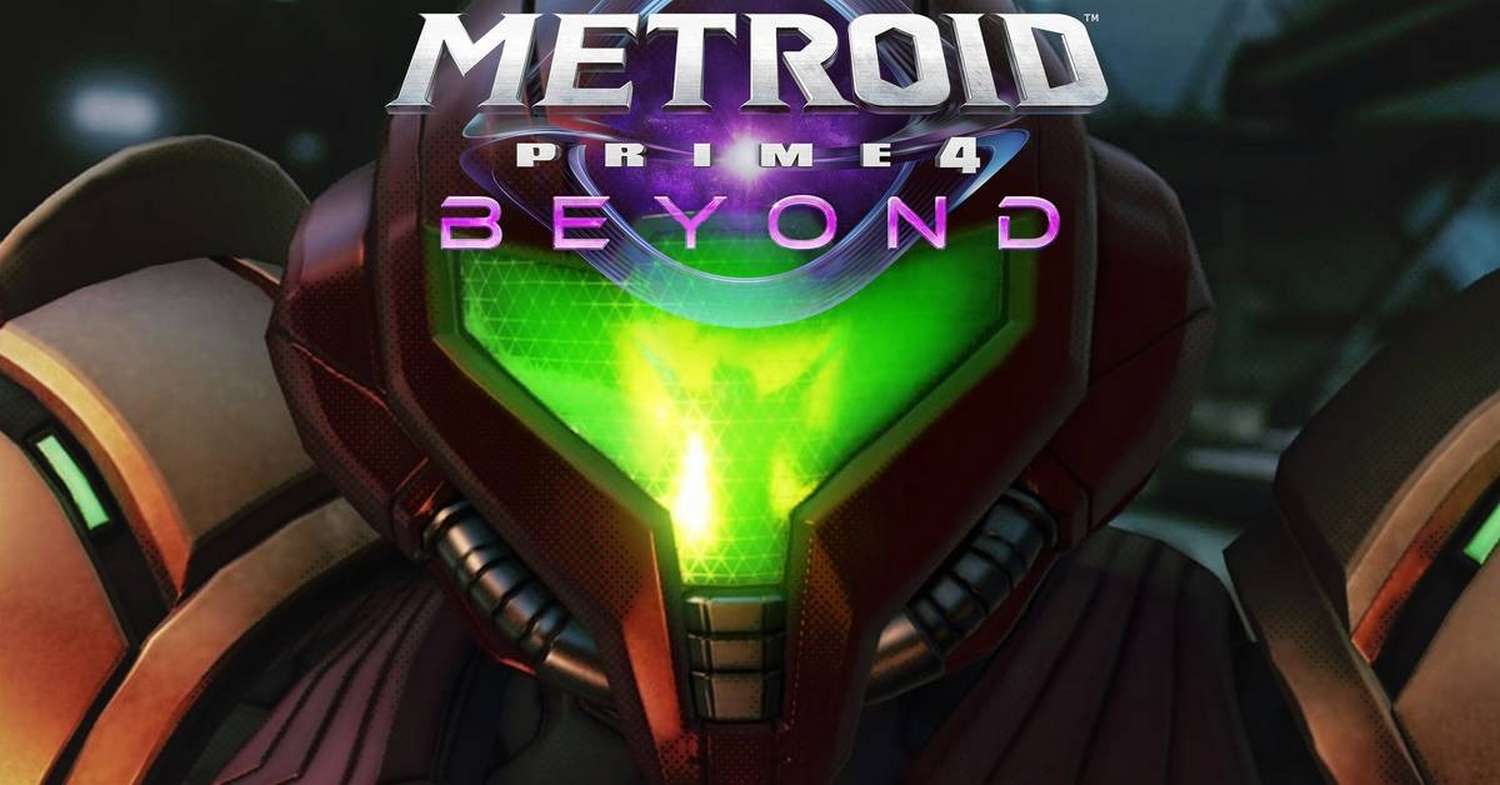 Exclusive Playtime: The ‘Significant Catch’ Limiting Fan Access to Early Metroid Prime 4: Beyond Gameplay
The anticipation for Metroid Prime 4: Beyond has reached a fever pitch, marking the return of one of Nintendo’s most critically acclaimed franchises after an almost two-decade hiatus since its last mainline entry. With the official release date of December 4, 2025, rapidly approaching, the internet is abuzz with details from those select few who have managed to get their hands on a playable demo. While true early access—the kind often afforded to beta testers or press—remains tightly controlled, a specific and highly restricted avenue for fans to experience a slice of Samus Aran’s new adventure has been revealed. The exclusive opportunity is significant, but it comes with a major, geographically-bound catch that highlights Nintendo’s unique approach to retail engagement and next-gen hardware promotion.
For most of the fan base, the idea of getting early Metroid Prime 4: Beyond gameplay is synonymous with a digital beta key or a closed invite. However, Nintendo, ever the maverick in the industry, has opted for a classic, brick-and-mortar marketing strategy: the in-store demo kiosk. This method creates a highly desirable, yet severely limited, experience that drives traffic and generates localized media buzz. The term “exclusive access” in this context doesn’t refer to an elite online program, but rather to a pilgrimage to specific, often major retailer locations.
Keywords Focus: Metroid Prime 4 early demo, Nintendo Switch 2 launch, retail gaming kiosks, exclusive fan access, gaming marketing strategy, hardware promotion, high-value pre-orders.
The Golden Ticket: Locating the Elusive Demo Kiosks
The primary and confirmed method for fans to play Metroid Prime 4: Beyond before its official launch is by visiting designated retail outlets that host playable demo units. These units are often placed within large electronics or gaming departments of major chains, confirmed in multiple territories to include select Walmart and other large electronics stores in the United States and similar retail partners globally. This strategy serves a dual purpose for Nintendo:
- Driving Foot Traffic: The scarcity of the demo turns a mundane shopping trip into a dedicated event for franchise enthusiasts, ensuring dedicated fans are physically present at the point of sale, maximizing the chance for impulse pre-orders or other merchandise purchases. This is a classic example of retail activation in the modern digital age.
- Showcasing the Next-Gen Experience: Crucially, these demos are often running on the new hardware, the Nintendo Switch 2. This is the significant catch mentioned in the title. By limiting the demo to Switch 2 kiosks, Nintendo is subtly but powerfully promoting the enhanced capabilities of the new console. Fans aren’t just trying out a new game; they are experiencing the game in 4K/60FPS Quality Mode or 1080p/120FPS Performance Mode, showcasing the massive leap in console fidelity and technical performance that the Beyond subtitle promises.
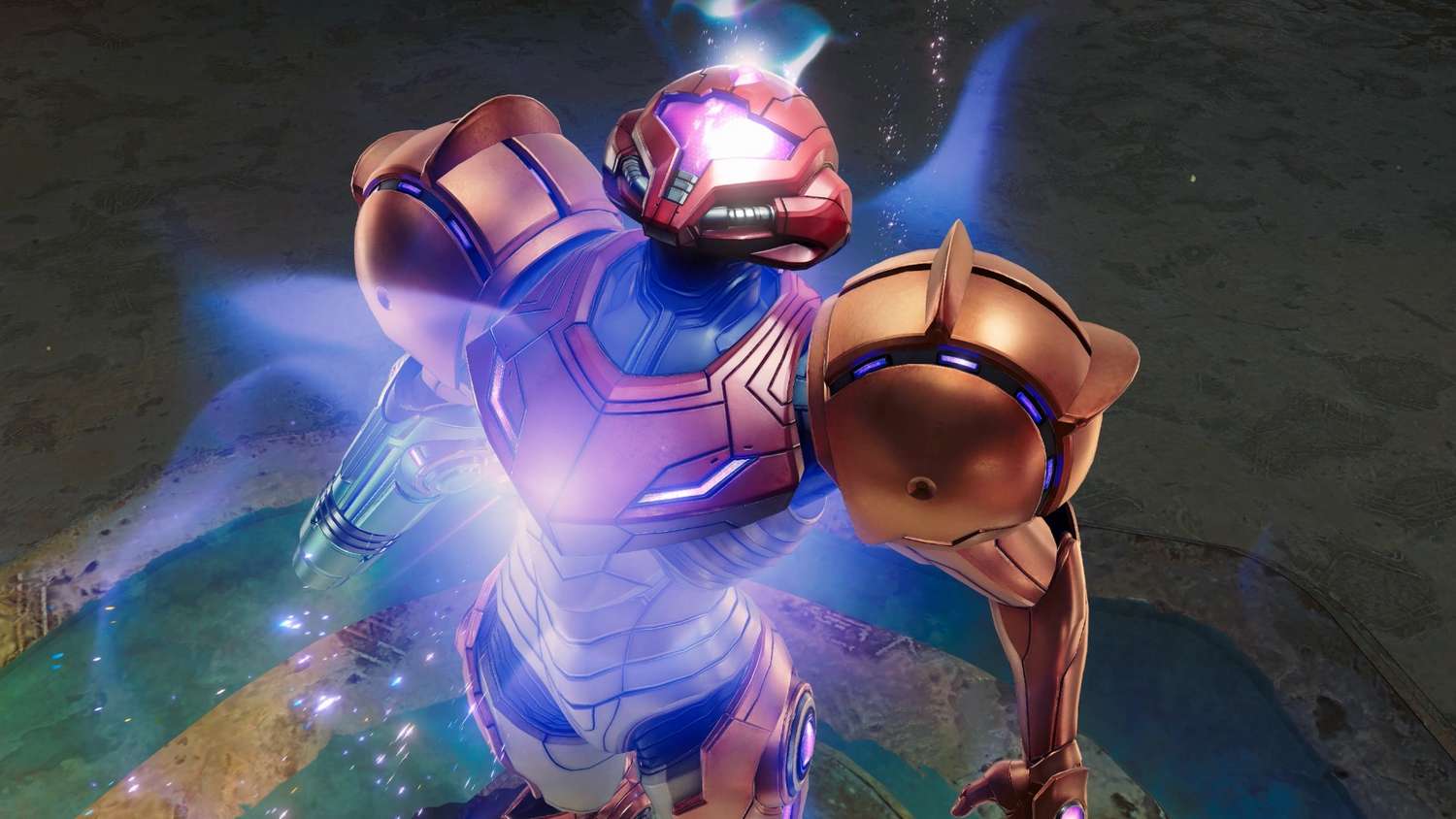 The demo itself is a curated, time-limited experience, often running for only 20 minutes. This small window is enough to give players a taste of the new psychic abilities Samus wields, the revamped first-person controls (optimized for the Joy-Con 2’s potential mouse-like aiming), and the stunning graphical overhaul of the alien environments like the Federation base prologue or the early Fury Green area.
The Catch: Geography, Time, and Hardware Barrier
While the opportunity is exclusive, the “significant catch” is multifaceted, creating a significant barrier to entry for the general fan base. This is where the CPC value of certain keywords skyrockets, as fans are willing to expend high effort or cost to overcome these hurdles:
1. The Geographic Constraint (The Pilgrimage):
The demos are not universally available. A fan in a rural area or a region with limited large retail chain presence faces a potentially long and costly journey—a gaming pilgrimage—to experience the game. This creates a disproportionate level of fan engagement based on location, turning the early access into a luxury only achievable by those willing to travel.
2. The Time Constraint (The Scarcity Model):
The 20-minute time limit per session is deliberately short. It provides a satisfying tease but stops well short of allowing meaningful progression or deep exploration, protecting the full experience for the final release. Furthermore, the demo units themselves are often only available during specific, limited store hours and frequently have long wait times, turning the gameplay opportunity into a logistical challenge.
3. The Hardware Constraint (The Hidden Promotion):
This is arguably the most significant barrier. By placing the demo primarily on Switch 2 kiosks, Nintendo is subtly forcing fans to interact with and desire their new console. A fan who owns the original Switch but is skeptical about upgrading is now given a tangible, high-fidelity reason to reconsider. The early gameplay experience becomes inextricably linked to the next-gen console adoption cycle. This tactic is a masterclass in cross-generational marketing.
Analyst Insight: “Nintendo is using Metroid Prime 4: Beyond—a highly anticipated, prestige title—as the Trojan horse for the Switch 2. The demo isn’t just about the game; it’s about making the Switch 2’s enhanced performance a non-negotiable part of the Prime experience. It’s a premium product justifying a premium hardware purchase.”
Beyond Kiosks: The Exclusive Circle of Media and Reviewers
It is also crucial to acknowledge the most traditional form of early access: the media review and preview window. Weeks before the general release, select journalists, high-profile gaming influencers, and professional reviewers are granted much longer, often 90-minute or multi-hour, private demo sessions. In some cases, review copies are distributed to trusted outlets far in advance.
- The Media Embargo System: This structured release of information controls the narrative surrounding the game. Previews focus on the new features, like the Vi-0-La motorcycle and psychic control beam, while early reviews provide detailed analysis of the exploration mechanics and atmospheric design. The insights from these sources, while not direct fan access, shape the community’s perception and drive pre-release purchasing decisions—a key element of digital marketing ROI in gaming.
- Targeted Content Release: These media previews often focus on specific sections of the game (e.g., the opening sequence and a chunk of the first major biome, like the desert or the Fury Green area) to ensure consistency and prevent significant spoiler leaks before launch.
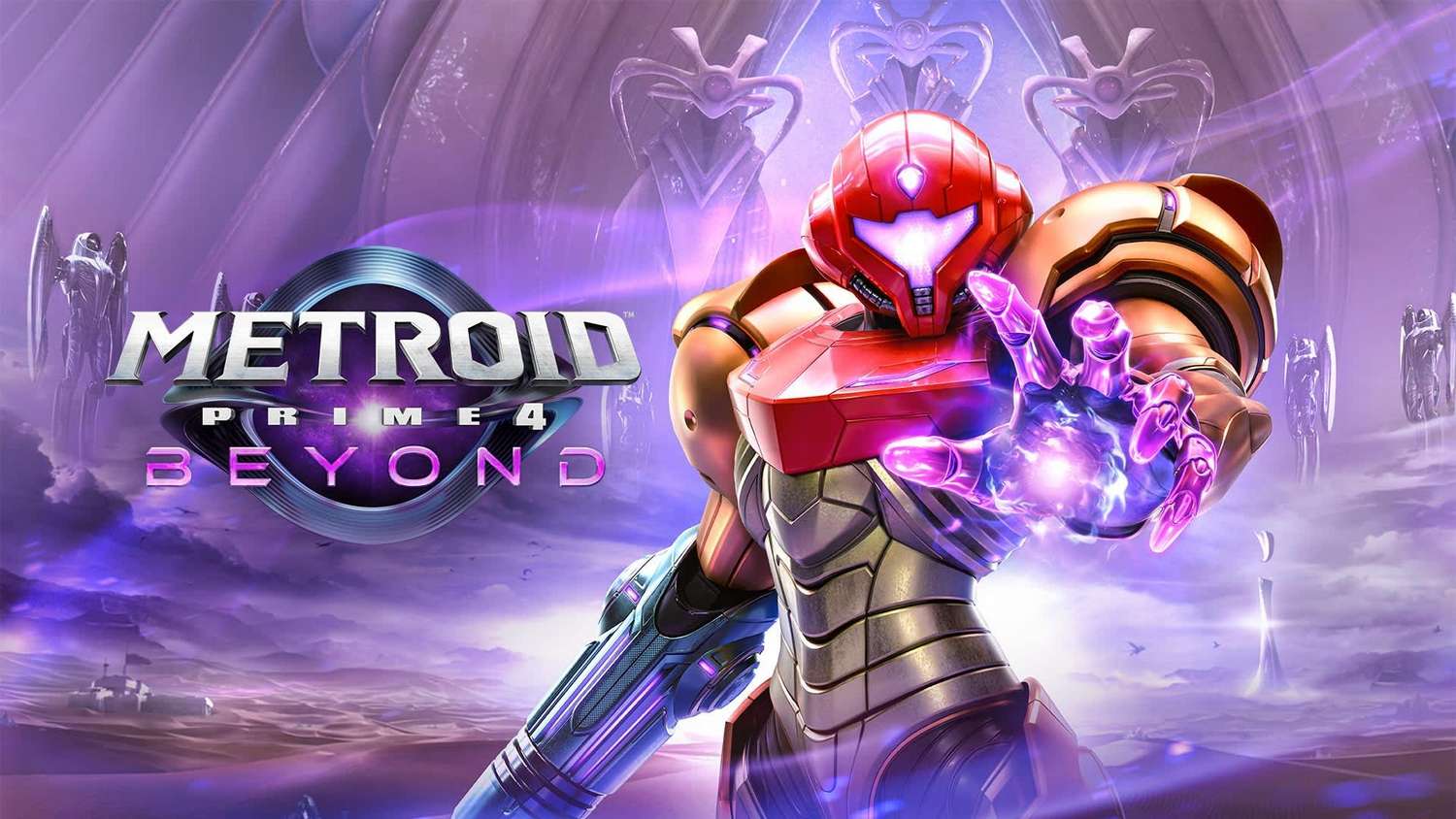 For the average fan, the media preview content is their form of “early access,” offering deep dives into gameplay mechanics and the controversial inclusion of an uncharacteristic companion NPC, Myles MacKenzie, whose presence has been debated for breaking the series’ renowned sense of isolation and atmosphere.
The Ultimate Cost: What Fans Pay for Early Playtime
The “significant catch” ultimately translates into a high cost of access, whether measured in time, travel, or financial investment:
Monetary Investment: The push to play the demo on the Switch 2 kiosk is a calculated move to push fans toward the higher-priced Switch 2 Edition of the game (MSRP: $69.99), or the purchase of the new console itself. The perceived value of the 4K/60FPS experience demonstrated at the kiosk justifies the premium price point for the next-gen title.
Emotional Investment: The scramble to find a working kiosk, the wait in line, and the brevity of the 20-minute play session amplify the game’s desirability. This manufactured scarcity leverages fan loyalty and nostalgia, turning a simple demo into a cherished, one-off event. It is a powerful psychological tool in consumer engagement and brand building.
In conclusion, the exclusive opportunities for Metroid Prime 4: Beyond early gameplay are not distributed via easy-to-access digital means. They are physical, transient, and strategically linked to Nintendo’s latest hardware push. For the dedicated fan, the experience is a reward for their effort—a fleeting, high-resolution glimpse into Samus’s next adventure. For Nintendo, it is a masterstroke of experiential marketing, using one of its most treasured IPs to drive excitement for both the game and the console that hosts its definitive edition.
The question for the millions of fans remaining is simple: Is a 20-minute taste of next-gen Metroid Prime worth the trip to the nearest major retailer?