Gamers Sue Nintendo: “Give Us Back Our Tariff Money!”
Nintendo Lawsuit Over Tariff Refunds: What It Means for Gamers and the Gaming Industry
Nintendo may soon face a major legal challenge in the United States—one that could reshape how global companies handle tariff refunds and pricing strategies. A newly proposed class action lawsuit alleges that Nintendo should return part of its potential tariff refunds directly to consumers, raising broader questions about fairness, pricing transparency, and corporate responsibility.
If the case moves forward, it could set a powerful precedent not only for Nintendo, but also for major gaming companies like Sony and Microsoft.
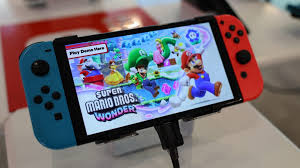
Why Nintendo Is Facing a Lawsuit
Two U.S. consumers have filed a proposed class action complaint in federal court, arguing that Nintendo may benefit unfairly from tariff refunds issued by the U.S. government. The case centers on a recent legal decision that invalidated a set of global tariffs previously imposed on imported goods.
As a result of that ruling, thousands of companies—including Nintendo—could be eligible to receive refunds on tariffs they previously paid when importing products into the United States.
The lawsuit claims that if Nintendo receives those refunds but does not pass any of that benefit back to customers, the company could effectively gain a financial windfall at the expense of consumers.
The Core Argument: Who Paid the Tariffs?
At the heart of the lawsuit is a simple but critical question: Who actually bore the cost of the tariffs?
The plaintiffs argue that while Nintendo technically paid the tariffs to the government, the real financial burden was shifted onto consumers through higher product prices.
In other words, customers may have already paid those extra costs when purchasing Nintendo products. If Nintendo now receives a refund without sharing it, the company would essentially be paid twice—once by consumers and again by the government.
This argument forms the legal basis for demanding partial refunds for customers who purchased Nintendo products during the affected period.
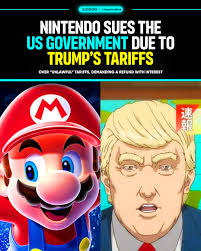
Pricing Strategy and Consumer Impact
One of the more nuanced aspects of the case involves Nintendo’s pricing decisions. Unlike some competitors, Nintendo did not significantly increase the price of its flagship console during the tariff period.
However, the company did raise prices on certain products, including:
- Accessories for newer hardware
- Older console models still on the market
The lawsuit suggests that these pricing adjustments may have allowed Nintendo to recover tariff-related costs indirectly, even without raising the main console price.
This strategy is important because it complicates the narrative. Instead of a clear, direct price increase, the cost burden may have been distributed across multiple products—making it harder for consumers to identify how much they actually paid due to tariffs.
Potential Class Action Scope
If the case is approved and proceeds as a class action, it could include a large number of consumers. According to the legal filing, anyone in the United States who purchased Nintendo products within a specific time frame—potentially the past 12 months—may be eligible to join the lawsuit.
This could result in:
- Millions of affected customers
- Significant financial liability for Nintendo
- Increased scrutiny on corporate pricing practices
However, it’s important to note that the case is still in its early stages. A judge must first determine whether the lawsuit can move forward before any claims are evaluated in detail.
Industry-Wide Implications
While the lawsuit targets Nintendo, its implications could extend far beyond a single company. If the court rules in favor of the plaintiffs, it could establish a legal precedent affecting the entire gaming industry—and potentially other sectors as well.
Companies like Sony and Microsoft could face similar challenges, especially since both adjusted pricing on hardware and services during the same period of global economic pressure.
Key factors that influenced pricing across the industry include:
- Tariffs on electronics manufacturing
- Global supply chain disruptions
- Rising component costs
- Increased demand for hardware driven by AI infrastructure
If courts determine that companies must return tariff-related gains to consumers, it could fundamentally change how businesses approach pricing during economic disruptions.
Subscription Services and Price Fluctuations
The broader gaming ecosystem has also seen significant pricing changes in recent years, particularly in subscription services. Price increases followed by adjustments—both upward and downward—have become more common as companies respond to shifting market conditions.
This volatility raises additional questions:
- How transparent should companies be about pricing decisions?
- Should consumers benefit when costs decrease, just as they absorb increases?
The Nintendo lawsuit may indirectly influence how subscription pricing is handled in the future, especially if it establishes expectations for sharing financial benefits with customers.
Corporate Responsibility vs. Legal Obligation
One of the most interesting aspects of this case is the distinction between legal obligation and corporate responsibility.
From a legal standpoint, companies are not always required to pass cost savings back to consumers. However, the lawsuit challenges this assumption by arguing that when consumers have already absorbed those costs, fairness demands some level of reimbursement.
This raises broader ethical considerations:
- Should companies share unexpected financial gains with customers?
- How should businesses balance profit with consumer trust?
These questions are becoming increasingly relevant in a global economy where pricing decisions are influenced by complex and often unpredictable factors.
What Happens Next?
The immediate next step is for the court to decide whether the lawsuit can proceed as a class action. If approved, the case could move into a lengthy legal process involving:
- Detailed financial analysis
- Examination of pricing strategies
- Assessment of consumer impact
For now, Nintendo has not publicly responded to the lawsuit. Its position—whether to contest the claims or explore settlement options—could significantly influence the outcome.
What This Means for Consumers
For gamers and consumers, the case represents more than just a potential refund. It highlights the growing importance of transparency in pricing and the relationship between companies and their customers.
If successful, the lawsuit could lead to:
- Partial refunds for eligible customers
- Greater accountability from large corporations
- More consumer-friendly pricing practices in the future
Even if the case does not succeed, it may still pressure companies to reconsider how they handle similar situations moving forward.
Final Thoughts
The proposed lawsuit against Nintendo marks a potentially pivotal moment in the gaming industry. It challenges long-standing assumptions about pricing, tariffs, and corporate responsibility in a global market.
While the legal outcome remains uncertain, one thing is clear: this case could redefine how companies handle financial windfalls—and whether consumers have a rightful claim to a share of those benefits.
As the situation develops, it will be closely watched not only by gamers, but by businesses and policymakers across multiple industries.
SEO Keywords: Nintendo lawsuit, tariff refund gaming industry, Nintendo pricing controversy, class action lawsuit Nintendo US, gaming industry pricing trends, Nintendo Switch pricing analysis.