‘Black Phone 2’ Writer Scott Derrickson: Why Horror Movies Turn Every Viewer Into a ‘Christian’—The Spiritual Battle for Box Office Gold










Popular Now
 Grand Theft Auto V
 Counter-Strike 2
 CarX Street
 Free Fire
 Sonic the Hedgehog™ Classic
 PUBG Mobile
 The Legend of Zelda
 Auto X Drift Racing 3
 Roblox
 Gacha Club
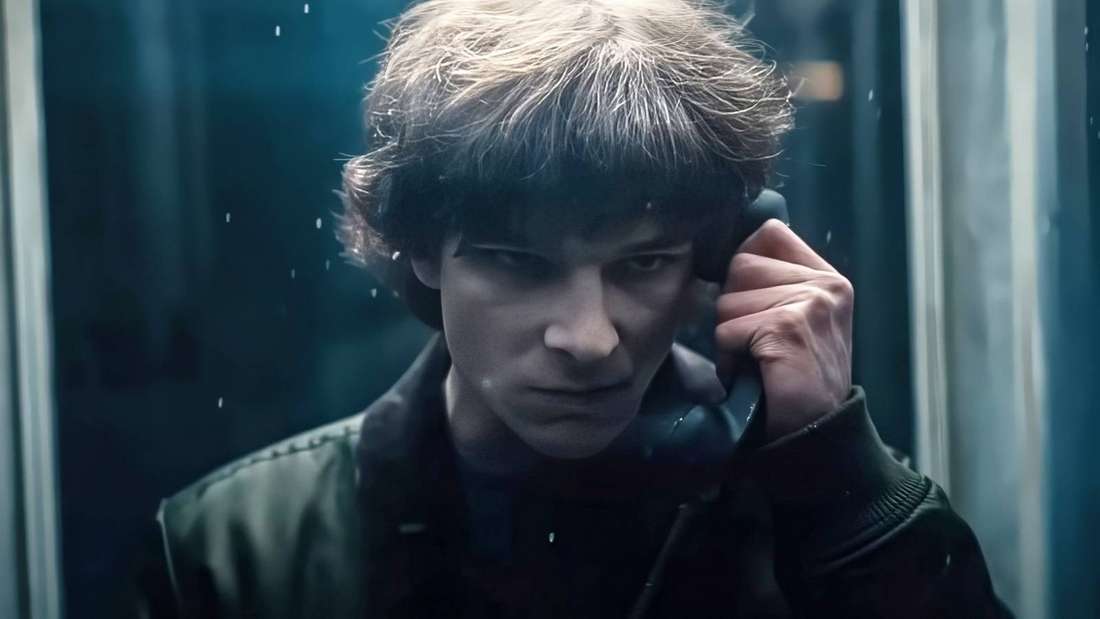 The highly anticipated sequel, Black Phone 2, has not only dominated the horror genre’s fall season, pulling in robust box office revenue and affirming the film as a premium content leader, but it has also ignited a fierce debate over the role of faith in modern cinema. At the center of this conversation is co-writer and director, Scott Derrickson, a filmmaker whose career—from The Exorcism of Emily Rose to Sinister—has been characterized by a deep, unwavering grappling with good and evil. His recent, provocative statement that “everyone ‘is a Christian’ when they watch horror movies” has become a viral digital marketing talking point, forcing a serious look at what we seek when we pay for a ticket to be scared.
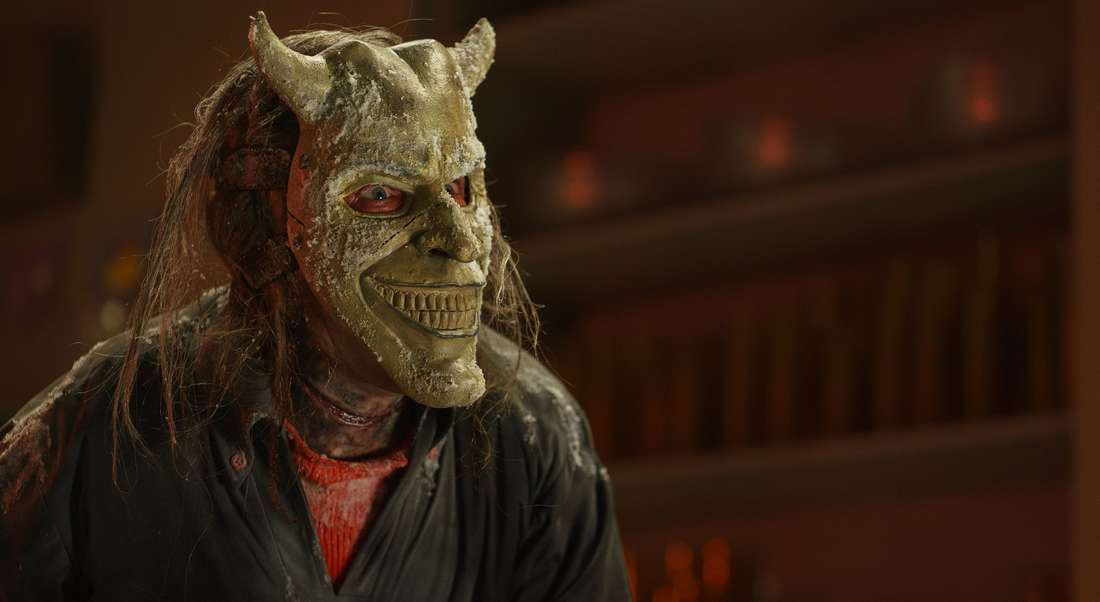 The Theology of Terror: Confronting Evil in the Dark
Derrickson’s sentiment is not a sudden religious conversion, but a culmination of his long-held philosophy that the horror genre is, in his words, “the genre of non-denial.” In the safe, enclosed space of a movie theater, stripped of our skepticism, the profound, unexplainable force of evil—the very core of the Black Phone 2 narrative—demands a response.
- The Acknowledgment of Absolute Evil: Horror films, particularly those involving demonic or supernatural entities like the specter of The Grabber (Ethan Hawke), force the audience to admit that something exists beyond the purely material or psychological. This immediate confrontation with a pure, malevolent force parallels a fundamental religious tenet: the reality of the demonic.
- The Appeal to a Higher Power: When Finney and Gwen Blake confront an evil that transcends death, the available tools—police, science, logic—are rendered useless. The characters, and by extension the terrified viewer, are left with only the metaphysical. Gwen’s recurring reliance on her Christian faith, a storyline that is even more explicit in the sequel with its Christian camp setting, becomes the only viable weapon. This is the moment, Derrickson argues, that the secular viewer instinctively reverts to a “Christian” mindset—a desperate, earnest plea for a saving grace outside the mortal realm.
- The Moral Stakes: A key difference between great horror and simple exploitation is the moral framework. The Black Phone 2 writers, Derrickson and C. Robert Cargill, frame the story not just as a chase, but as a battle for the very souls of Finney and Gwen. This high-stakes spiritual conflict is inherently theological, transforming a typical supernatural thriller into a powerful allegory of redemption and damnation, a concept deeply familiar within the Christian tradition.
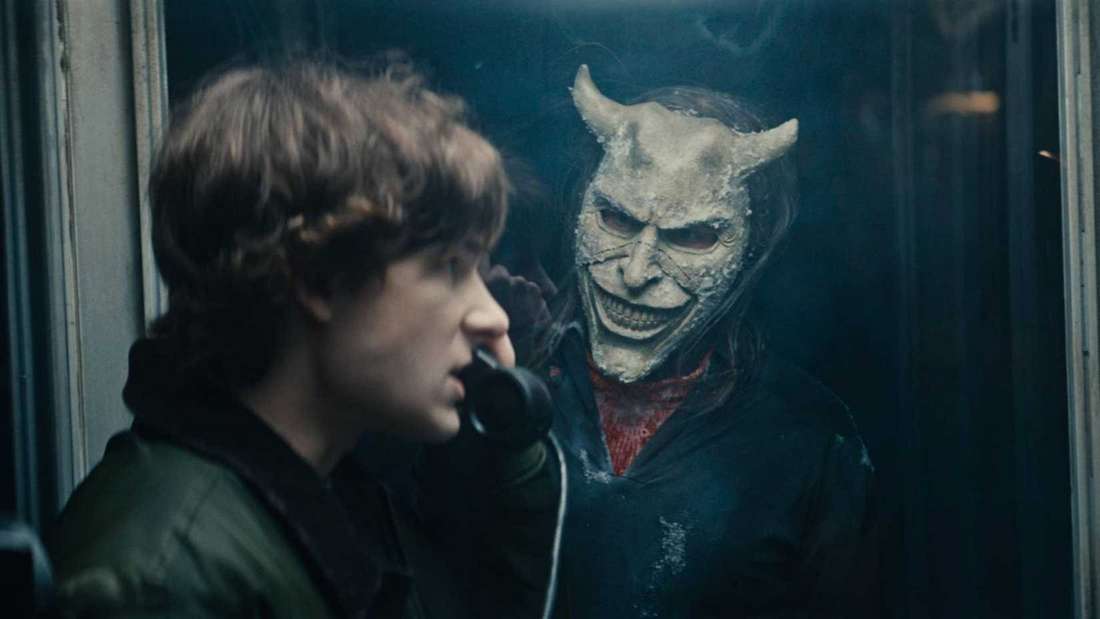 Critical Backlash and the ‘Propaganda’ Debate
The sequel’s increased integration of Christian themes—from Gwen’s direct prayers to Jesus, to the use of biblical quotes against The Grabber, to a plot unfolding at a snowy, isolated religious camp—has not been without significant critical backlash. Some reviewers and audience members have slammed the film, calling the religious elements “obnoxious” and “Christian propaganda.”
Strong arguments for this critique center on:
- The Ham-Fisted Nature: The dialogue surrounding faith, particularly with secondary characters at the camp, has been called “cringey” and “ham-handed,” suggesting it distracts from the core horror. The film introduces characters who espouse a narrow, fundamentalist version of Christianity, only to have them exposed as hypocritical or useless, seemingly only to elevate Gwen’s more personal, sincere faith.
- Subversion of Genre Expectations: Many horror fans prefer a purely secular or ambiguous approach to the supernatural, finding that a clear, defined “God vs. Devil” narrative removes the essential mystery and existential dread that fuels the best of the genre. By solidifying the spiritual battle with explicit Christian references, the movie moves closer to the territory of a faith-based film, a genre that often polarizes consumer interest and limits its broad target audience.
- The ‘Freddy Krueger’ Problem: The film transforms The Grabber from a human serial killer into a terrifying, Freddy Krueger-esque dream demon, a move that demands a non-human solution. While this is an organic progression of the original’s supernatural elements, it also necessitates a clear ‘good’ spiritual force (Gwen’s faith) to counter the ‘evil’ one (The Grabber’s spectral vengeance), thereby making the film’s moral compass overtly religious.
Derrickson’s Artistic Defense: Reckoning with Evil
For his part, Derrickson—a self-professed “recovering fundamentalist” who is still a committed Christian—has repeatedly framed his work as an artist’s attempt to “reckon with evil.” He argues that the horror genre provides a unique and valuable space for a healthy confrontation with the darkest aspects of the human experience and the universe. His goal is not to preach, but to provoke serious conversation.
Strong takeaways from his enduring philosophy:
- Horror as Inoculation: Derrickson views watching horror as a form of “live inoculation,” where the audience is exposed to a small, controlled amount of the “virus” of fear. This allows them to build up emotional and spiritual “antibodies” to better confront the fear that already exists inside them, a concept with profound psychological and theological depth.
- Excellence Over Evangelism: He consistently maintains that his primary job in Hollywood is to create high-quality, professional cinema. The theological themes are integrated because they are genuinely part of his artistic vision, not because he is trying to push a specific conversion agenda. For him, a Christian artist’s greatest service is simply to be excellent at their craft and to treat their collaborators with integrity.
Ultimately, the writer’s assertion that every horror viewer finds a moment of faith in the dark speaks to the genre’s true, ancient power. Whether viewers see it as divine intervention or narrative convenience, the presence of an undeniable evil in Black Phone 2 compels all who watch to search for a force powerful enough to defeat it, making the film a fascinating case study in cross-platform marketing and the enduring conflict between art and explicit message.