The Rogue Prince of Persia: Early Access Grapples with Innovation Beyond Dead Cells’ Shadow









Popular Now
 Poppy Playtime
 Stumble Guys
 Fall Guys
 The Legend of Zelda
Geometry Dash
The Legend of Zelda
Geometry Dash
 Valorant
 EA SPORT FC 25
 Text to Speech Voice
 Gacha Club
 Call of Duty
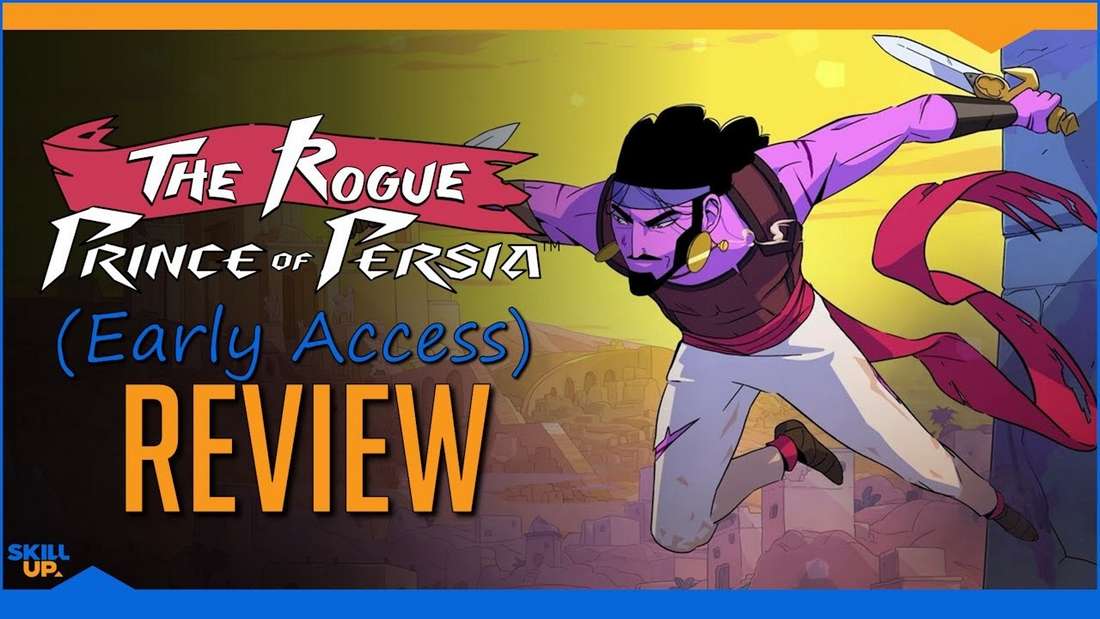 The gaming landscape is rife with titles that draw inspiration from their predecessors, aiming to build upon established mechanics while forging a unique identity. For Evil Empire’s highly anticipated
The Rogue Prince of Persia, the shadow of its spiritual forerunner,
Dead Cells, looms exceptionally large. As it navigates its early access phase, the central question for many players and critics is whether this acrobatic roguelike can truly vault off Dead Cells’ celebrated legacy or if it remains tethered to its influential progenitor. This early access review delves into the current state of The Rogue Prince of Persia, examining its core gameplay, innovative features, and where it stands in carving out its own niche in the competitive roguelike market.
The Unmistakable Weight of Dead Cells’ Influence
Before assessing The Rogue Prince of Persia, it’s crucial to understand the gargantuan benchmark set by
Dead Cells. Developed by Motion Twin and later expanded by Evil Empire,
Dead Cells became a global sensation, renowned for its:
- Fluid, Responsive Combat: A masterclass in weapon variety, enemy design, and precise hitboxes, offering deep tactical combat.
- Seamless Metroidvania-lite Progression: A satisfying blend of permanent unlocks and run-based progression that kept players engaged for hundreds of hours.
- Stunning Pixel Art and Animation: Visually distinct and incredibly expressive, contributing significantly to its overall charm.
- Exceptional Replayability: Procedurally generated levels and diverse build options ensured every run felt fresh.
These elements cemented
Dead Cells as a benchmark for
roguelike platformers, raising player expectations to an all-time high for any subsequent title, especially one from the same creative lineage. For
The Rogue Prince of Persia, this legacy is both a blessing and a curse, offering instant recognition but demanding an equal, if not greater, level of innovation and polish.
 Initial Impressions: Art Style and Acrobatic Prowess
From the outset,
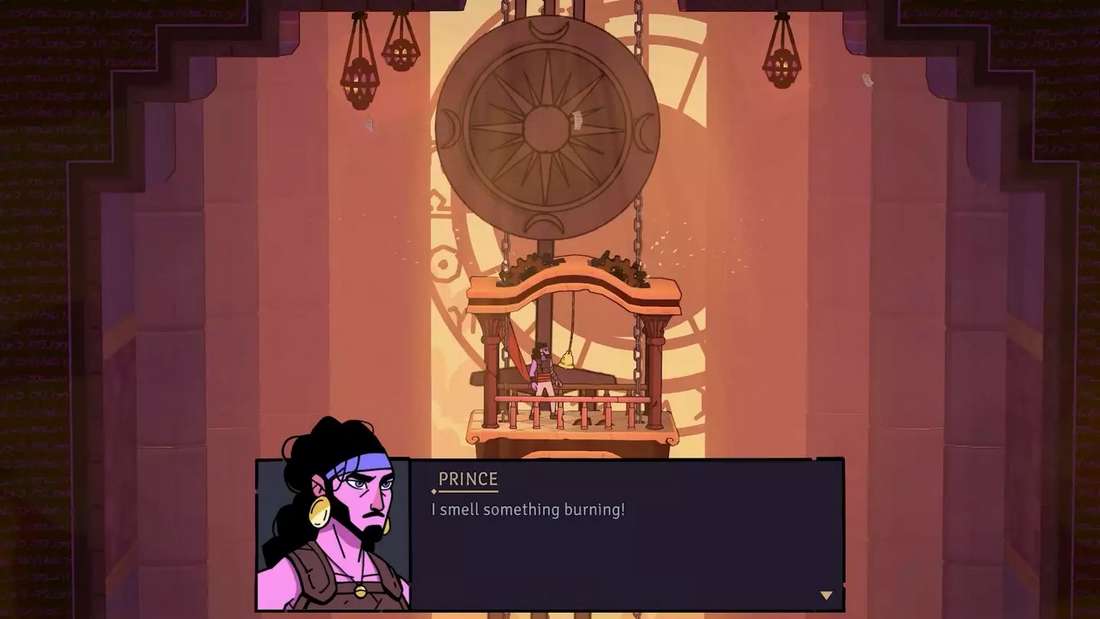
The Rogue Prince of Persia distinguishes itself with a vibrant,
bande dessinée-inspired art style. This hand-drawn aesthetic is a bold departure from the pixel art of
Dead Cells, offering a fresh visual identity that is both captivating and distinct. The character models, environments, and animations are fluid, contributing to a sense of dynamic motion that is central to the Prince of Persia experience. This visual differentiation is one of the game’s strongest initial appeals, signaling an intent to carve its own artistic path.
Where the game truly begins to shine is in its
acrobatic platforming mechanics. The core gameplay loop heavily emphasizes wall-running, vaulting, jumping, and environmental traversal. The controls feel largely responsive, allowing players to chain together impressive aerial maneuvers. The ability to seamlessly transition from combat to platforming, dodging enemies by running along walls or vaulting over them, provides moments of genuine exhilaration. This focus on verticality and agile movement is a clear homage to the Prince of Persia series’ roots and represents a potentially potent distinguishing factor from other roguelikes that often prioritize ground combat.
Combat: Seeking its Own Rhythm
While the platforming offers a refreshing take, the combat system in
The Rogue Prince of Persia currently struggles to fully emerge from
Dead Cells’ shadow. The initial early access build presents a combat experience that, while functional, lacks the visceral punch and strategic depth that fans of its predecessor have come to expect.
- Weapon Variety and Impact: Weapons feel somewhat limited in their current iteration. While there are different types, their impact and distinct feel aren’t as pronounced as in
Dead Cells. Melee attacks can feel a bit floaty, lacking the satisfying weight and feedback crucial for engaging combat.
- The Medallion System: Introduced as a unique progression mechanic, medallions offer various passive and active abilities that can drastically alter a run. This system has potential for deep customization and build diversity, allowing players to tailor their playstyle. However, in its current state, some medallions feel less impactful than others, and the meta-progression elements tied to them still require significant balancing and expansion.
- Enemy Design: Enemies are varied in appearance but often lack the sophisticated attack patterns or challenging telegraphs that force players to adapt their strategies in a
Dead Cells-esque manner. Many encounters boil down to straightforward dodging and attacking, rather than demanding the precise parrying, timing, and positioning that defines high-level roguelike combat.
The combat’s current state suggests that while Evil Empire is attempting to innovate with systems like the medallions, the foundational feel of engaging enemy encounters and weapon mastery still needs considerable refinement. High-CPC keywords such as
‘gameplay mechanics refinement’ and
‘player engagement strategies’ are critical here, as the lack of immediate depth could impact long-term retention.
 Procedural Generation and Level Design: A Familiar Formula?
Like many roguelikes,
The Rogue Prince of Persia utilizes
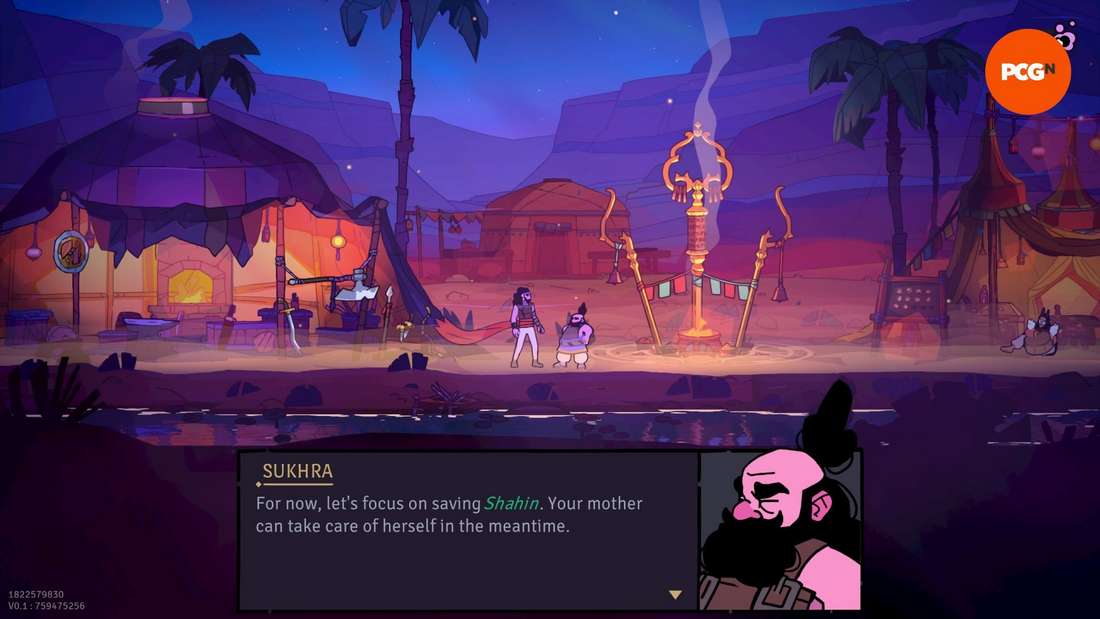
procedural generation to ensure replayability. However, the early access levels, while visually appealing, sometimes fall into patterns that feel repetitive after several runs. The distinct areas are well-designed individually, but the transitions and overall flow can feel less organic than the interconnected pathways of
Dead Cells.
The focus on verticality is a double-edged sword; while it enables impressive platforming sequences, it also means some areas feel more like platforming puzzles than dynamic combat arenas. The procedural generation, to truly stand out, needs to offer more surprises and environmental variety that directly impacts combat scenarios and strategic choices, providing a deeper sense of exploration and discovery beyond mere aesthetic changes.
The Path Ahead: Early Access Potential and Challenges
It is vital to reiterate that
The Rogue Prince of Persia is in
early access. This phase is precisely for gathering player feedback, iterating on mechanics, and implementing new content. Evil Empire has a proven track record of supporting games post-launch, as seen with their exceptional work on
Dead Cells‘ DLCs and updates. This history instills confidence that the game will evolve significantly.
For
The Rogue Prince of Persia to truly vault beyond
Dead Cells’ legacy, it must:
- Refine Combat Feedback and Depth: Enhance weapon variety, enemy AI, and the overall ‘feel’ of combat to be as satisfying as its movement.
- Expand the Medallion System: Introduce more impactful and diverse medallions, ensuring a robust meta-progression system that encourages experimentation.
- Diversify Level Generation: Implement more dynamic environmental hazards and unique room layouts that force varied approaches to combat and platforming.
- Introduce Compelling Story Elements: While not the primary focus of a roguelike, a stronger narrative hook or evolving lore could add significant value to repeated runs.
The current state, while promising in its distinct art style and fluid platforming, still grapples with establishing a combat identity that is as compelling as its movement system. The game needs to find its own voice, ensuring that its innovations feel truly transformative rather than simply different.
Final Verdict: A Promising Sprint, Not Yet a Full Vault
In conclusion,
The Rogue Prince of Persia is an early access title with immense potential, particularly for fans of acrobatic platforming and the Prince of Persia IP. Its vibrant art style and nimble movement mechanics offer a refreshing experience that genuinely differentiates it from its spiritual predecessor. However, the game currently struggles to fully vault off
Dead Cells’ legacy in terms of combat depth and the sheer polish of its roguelike systems.
As of its early access release, it’s a solid, enjoyable platformer with roguelike elements, but it has not yet reached the pinnacle of its potential. The journey ahead for Evil Empire will involve meticulously refining the combat, expanding the progression systems, and ensuring that
The Rogue Prince of Persia stands tall as a unique, compelling experience rather than merely a competent iteration within a celebrated lineage. The
competitive gaming market demands innovation, and while
The Rogue Prince of Persia has taken its first steps, the full leap toward true independence is still on the horizon.