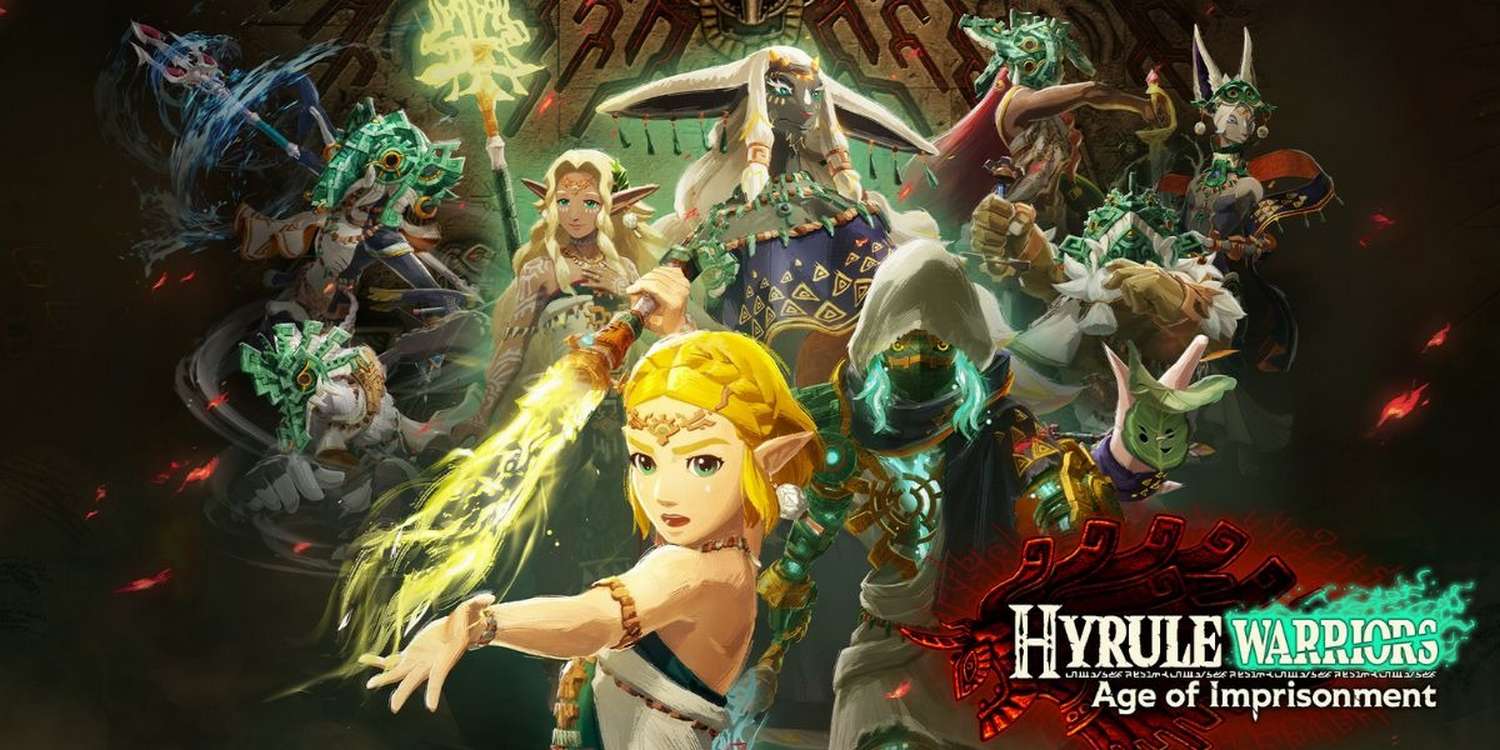
Unveiling the Conclusive Chapters: Hyrule Warriors: Age of Imprisonment’s Ending Meticulously Decoded








Popular Now
 CarX Street
 Sonic the Hedgehog™ Classic
 Poppy Playtime
 Gacha Club
 Warframe
 Free Fire
 Stumble Guys
 Valorant
 NBA 2K24
 Black Myth: Wukong
The Enigma of Hyrule Warriors: Age of Imprisonment – A Definitive Ending Explained
The highly anticipated release of Hyrule Warriors: Age of Imprisonment has captivated the gaming community, promising an unparalleled dive into the tumultuous era preceding the sealing of the Demon King. As a prequel-sequel of sorts, expanding upon the rich tapestry woven by Age of Calamity and the deeper lore unearthed in Tears of the Kingdom, this latest Musou-style entry delivers both visceral combat and a narrative steeped in the foundational myths of Hyrule. Many players are now dissecting the game’s climactic conclusion, seeking a comprehensive explanation of its profound implications. This in-depth analysis offers a meticulous breakdown of the ending, exploring its narrative nuances, character fates, and far-reaching impact on the beloved Legend of Zelda universe. For those eager for a definitive game review of the story’s resolution, continue reading for exclusive insights.
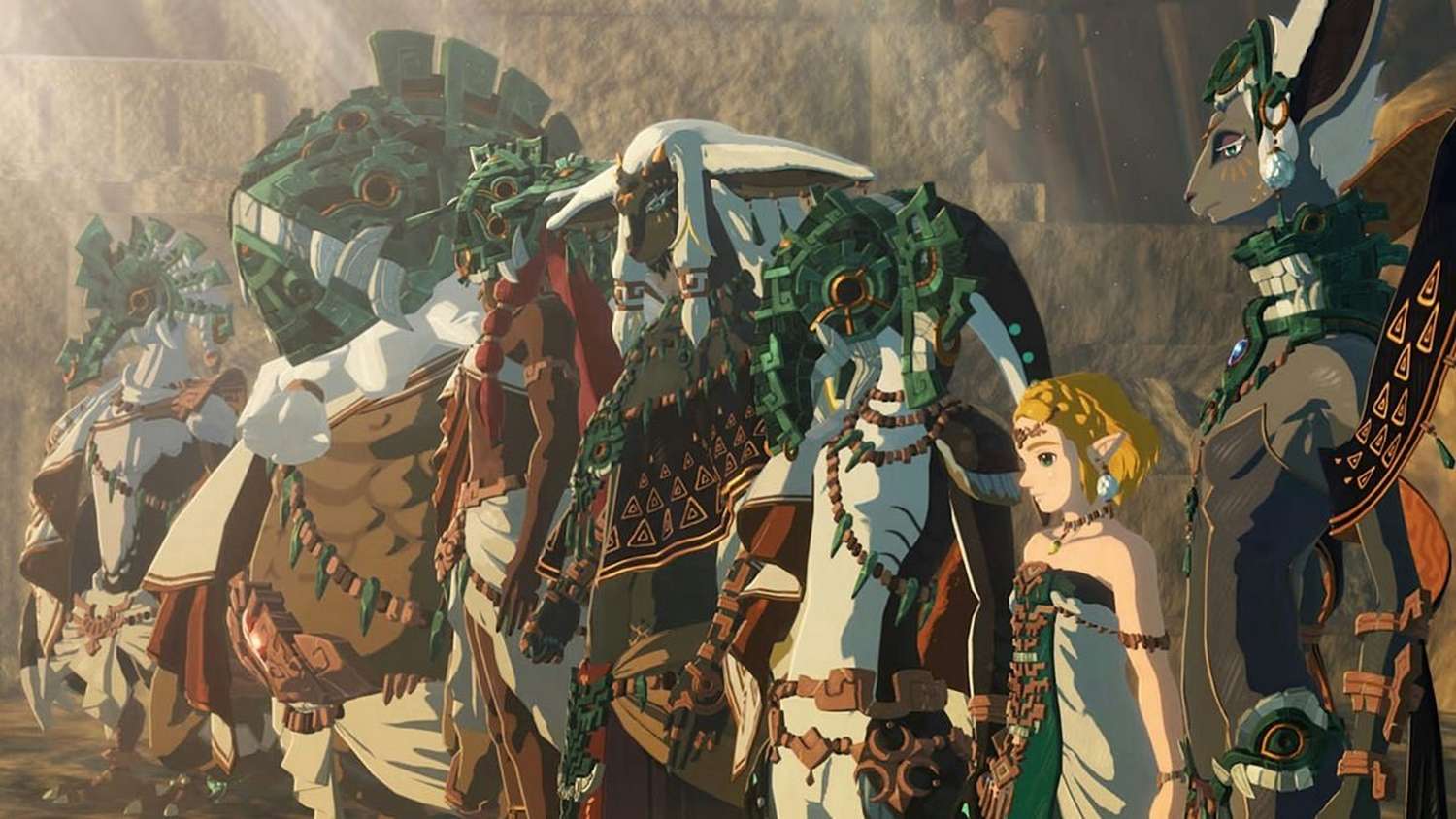
Setting the Stage: The Dawn of Hyrule’s Desperation
Age of Imprisonment immerses players in a Hyrule teetering on the brink of utter annihilation. Following the events hinted at in ancient legends, the resurrected Demon King, Ganondorf, wields an unimaginable power, threatening to plunge the nascent kingdom into an eternal abyss. Unlike its predecessor, this title focuses less on preventing a known calamity and more on the desperate, multi-generational struggle to seal an unassailable evil. The narrative masterfully weaves together the destinies of numerous heroes: the Royal Family of ancient Hyrule, the legendary hero of that era, powerful Sages, and even early iterations of key Zelda races. The game’s success in building tension is palpable, leading to a monumental final act that demands careful interpretation. The developers have truly outdone themselves in crafting a story that resonates with the overarching Zelda lore implications, providing vital context for future mainline titles.
The Climax: A Symphony of Sacrifice and Sealing Power
The journey through Hyrule Warriors: Age of Imprisonment culminates in an epic, multi-stage battle sequence, arguably one of the most intense and narratively significant in the entire Hyrule Warriors series. The core objective is to facilitate the ritualistic sealing of Ganondorf, a feat requiring immense power and unparalleled sacrifice. The game’s ending reveals a collaborative effort unlike any seen before. The collective might of the Sages, harnessing their elemental and spiritual energies, converges to create a conduit for the sealing magic. This ritual, however, is not without its cost.
- The Hero’s Unwavering Resolve: The ancient hero, a predecessor to Link, confronts the Demon King directly, serving as a critical distraction and enduring unimaginable power. This confrontation is not about defeating Ganondorf outright but weakening his physical form and drawing his attention, allowing the ritual to proceed unimpeded. The sheer bravery and skill displayed by this iteration of the hero underscore the timeless courage inherent in the bloodline.
- Zelda’s Ascendant Power: Princess Zelda, a pivotal figure throughout the campaign, finally awakens the full extent of her latent Goddess power. This awakening is portrayed as a profound moment of self-realization, enabling her to not only empower the Sages but also to contribute directly to the sealing process, binding Ganondorf with sacred energy. Her sacrifice is not of life, but of her presence, as she becomes inextricably linked to the seal, fading from the physical realm into an ethereal guardian state.